Key Takeaways
A clear goal, with room to wander
Minecraft on Nintendo Switch is a sandbox game where building is the main point, and defeating the Ender Dragon is the classic “big finish” for players who want one.
Switch controls, split by hands
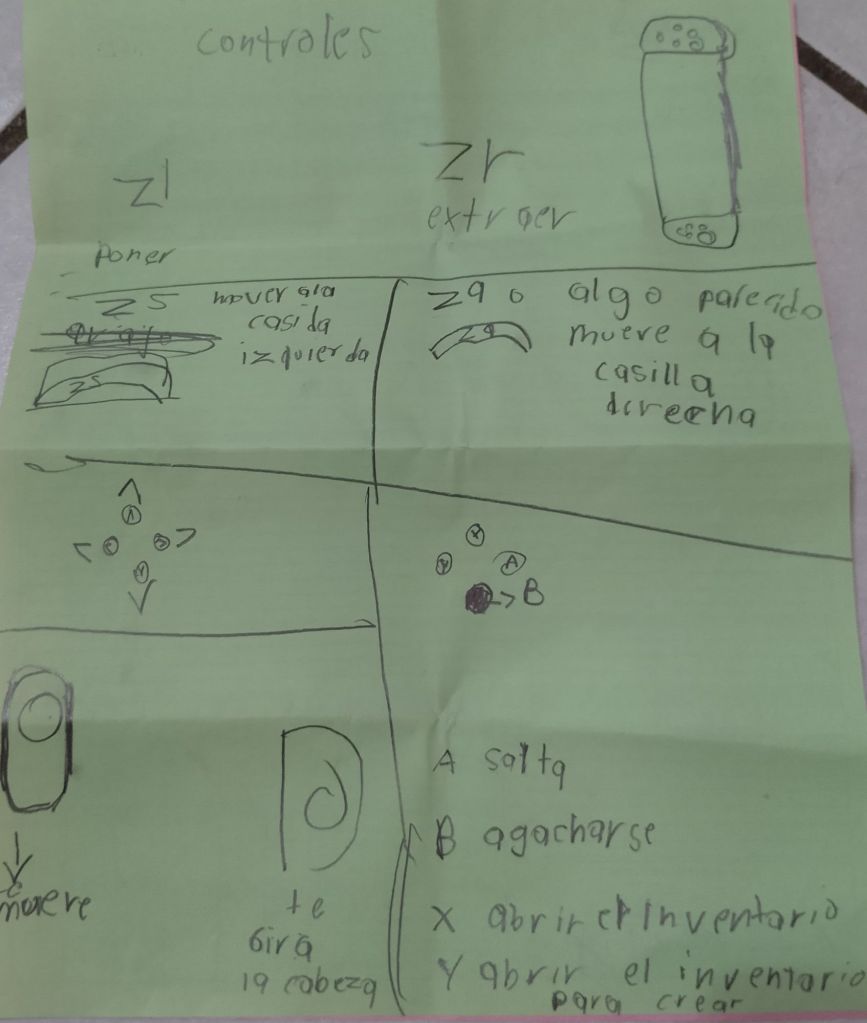
Left side: L and ZL tend to be the “place and use” side, and the D-pad is for quick actions like dropping items, chat, and emotes.
Right side: R and ZR tend to be the “hit and mine” side, with the face buttons for jumping, sneaking, inventory, crafting, and menu flow.
The late-game rewards are tools, not trophies
Beating the dragon opens a path to End exploration, where Elytra supports fast travel and Shulker Boxes help carry more.
Story & Details
The point of the game, said plainly
In January two thousand twenty-six, Minecraft remains easy to enter and hard to exhaust. A player can live in a small house, dig for ore, and build a calm world that never needs an ending. Or the player can choose a clear arc: survive, gear up, find the End portal, and defeat the Ender Dragon. Both paths are “real Minecraft,” and both teach the same rhythm: gather, craft, test, improve.
A simple loop that feels bigger than it looks
Minecraft works like a small science lab. Try an idea. Watch what happens. Change one thing. Try again. A wooden pickaxe becomes stone, then iron, then diamond, then something stronger. Food turns panic into steady travel. Light turns danger into safety. The world rewards small plans that repeat well.
Nintendo Switch: comfort comes from consistent roles
On Nintendo Switch, play feels smoother when the hands have clear jobs.
The left hand usually handles quick choices and careful positioning. L and ZL are commonly used for stepping through items and for placing blocks or using the world. The D-pad keeps fast actions nearby: one direction drops an item, one opens chat, and one triggers an emote, so communication can be quick without breaking the flow.
The right hand usually handles speed and impact. R and ZR are commonly used for the actions that break blocks, mine, and fight. The face buttons carry the daily movement habits: jumping, sneaking for safe edge-walking, opening the inventory, opening crafting, and reaching the main menu.
This left-right split matters because Minecraft asks for two kinds of attention at once: hands that act fast, and a mind that stays calm.
A short Dutch mini-lesson, built around game moments
Dutch is the main language of the Netherlands (Europe). These tiny lines fit common game situations, and each one is followed by a simple whole-meaning line, then a word-by-word map, plus a quick note on tone.
Dank je wel.
Whole meaning: a friendly “thank you.”
Word by word: dank = thanks; je = you; wel = well, indeed.
Tone and variants: warm and common; Dank je is shorter; Dank u wel is more formal.
Waar is het stronghold?
Whole meaning: asking where the stronghold is.
Word by word: waar = where; is = is; het = the; stronghold = stronghold.
Tone and variants: direct and normal; Waar is de ingang? is useful when asking for an entrance.
Ik ga naar de End.
Whole meaning: saying the trip goes to the End.
Word by word: ik = I; ga = go; naar = to; de = the; End = End.
Tone and variants: casual; Ik ga nu is a simple way to add “now” without sounding dramatic.
Mobs, and why that word exists
In many games, “mob” means a computer-controlled character that moves and acts in the world. The word came from older online games where “mobile” or “mobile object” was used for a moving creature in early text-based worlds. In modern play, the word usually points to enemies and creatures that can be fought, avoided, farmed, or studied.
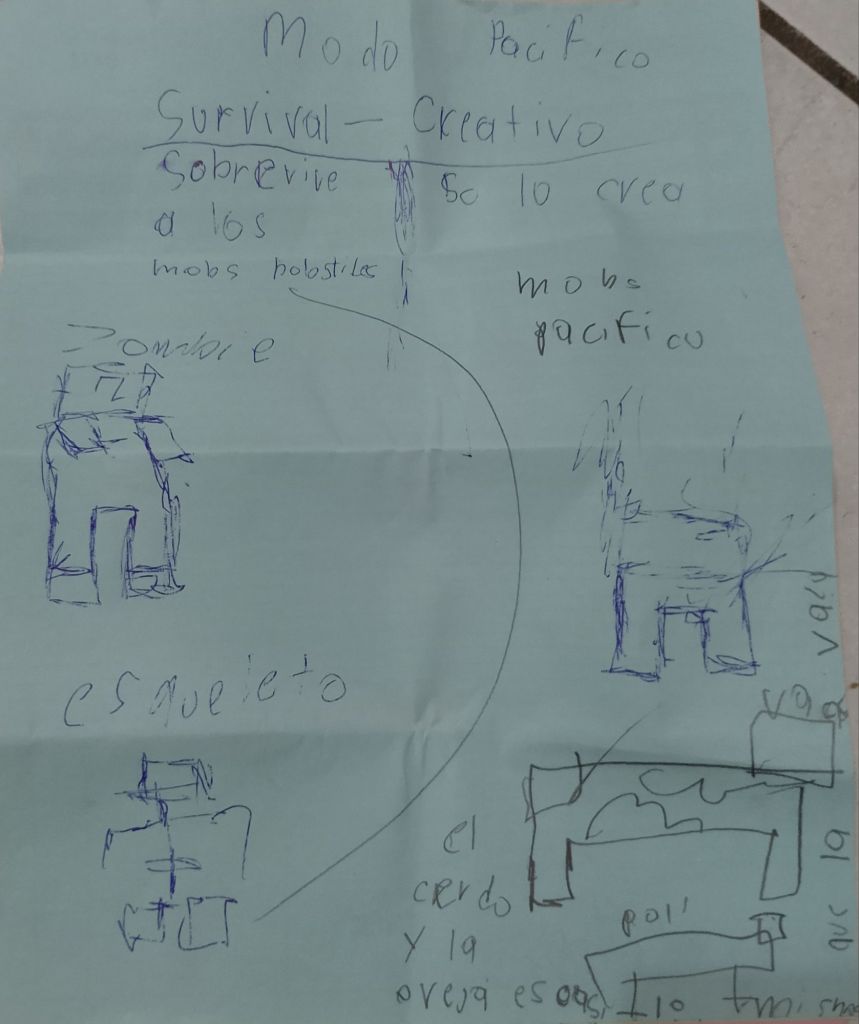
Minecraft uses the idea constantly. A cow is a calm mob. A zombie is a hostile mob. An Enderman is a mob with strange rules.
Endermen: scary, but predictable
Endermen look dangerous because they teleport and hit hard. Yet they follow clear triggers. They often become aggressive when stared at, and they dislike water. This creates a practical lesson: fear shrinks when rules become visible. A player can stop guessing and start controlling the situation.
Strongholds: the doorway to the End
A stronghold is an underground structure in the Overworld that holds the End portal room. Eyes of Ender help point the way toward the nearest stronghold. Reaching the portal room turns the vague idea of “the End” into a real place with a real door.
The Ender Dragon: how the fight works
The Ender Dragon is not only a test of damage. It is a test of priorities.
The End Crystals are the dragon’s support system. As long as crystals remain, the dragon can heal. The fight becomes clearer when the order is clear: remove the healing first, then commit to the main target. Ranged shots help with crystals high on obsidian pillars. Careful footing matters because the End punishes falls more than it punishes slow progress.
What changes after the dragon falls
After the dragon is defeated, the End feels less like a boss room and more like a new region. The central island becomes a hub. New routes open toward outer areas where End Cities can appear. That is where the world starts to hand out travel and storage tools that change daily play.
Why Elytra and Shulker shells matter
Elytra changes movement. It turns long walks into long glides. It rewards planning, height, and good timing.
Shulker shells matter because they become Shulker Boxes, and Shulker Boxes change carrying. The world suddenly feels less cramped. A long trip can bring home more treasure, more blocks, and more options, without turning the inventory into constant stress.
Bedrock, the word, and Bedrock Edition, the platform
Bedrock in everyday language is the solid rock layer under soil. In Minecraft, bedrock is also the name of an extremely tough block that marks hard limits in the world.
Bedrock Edition is the version of Minecraft designed to run across many devices, including Nintendo Switch. For a player, the key idea is simple: the world is still Minecraft, but the edition name explains which version family is in use.
MMORPG: a cousin genre, not the same game
Massively multiplayer online role-playing games feel close to Minecraft because both can be social, long-running, and full of gear and enemies. Yet Minecraft is not locked into the role-playing structure. It can be played like an adventure game, a building toy, or a quiet craft-and-survive routine. The shared DNA is the online world, not the rules of character classes.
A small practical checklist that stays true
Progress in Minecraft becomes easier when three habits are kept simple: keep food, keep light, and keep a safe way home. Everything else is style.
Conclusions
A world that teaches by letting the player touch it
Minecraft on Nintendo Switch stays popular because it puts learning into the hands. The game teaches patience through mining, planning through building, and calm focus through survival. The Ender Dragon is not the only finish that matters. The real win is the moment the world stops feeling random and starts feeling readable.
The endgame is a new beginning
The End is not a wall. It is a doorway. Elytra and Shulker Boxes do not end the story; they make the next chapter faster, lighter, and more ambitious.
Selected References
[1] https://www.youtube.com/watch?v=NDHnDP5CxKY
[2] https://www.minecraft.net/en-us/article/minecraft-controls
[3] https://www.minecraft.net/en-us/article/stronghold
[4] https://www.minecraft.net/en-us/article/ender-dragon
[5] https://www.minecraft.net/en-us/article/java-or-bedrock-edition
[6] https://dictionary.cambridge.org/dictionary/english/bedrock
[7] https://dictionary.cambridge.org/dictionary/english/mmorpg
[8] https://en.wikipedia.org/wiki/Mob_(video_games)
Appendix
Bedrock: A term for the solid rock layer under soil, and also the name used in Minecraft for a near-indestructible block that marks hard limits in the world.
Bedrock Edition: The cross-platform family of Minecraft versions used on many devices, including Nintendo Switch, with shared features built for that ecosystem.
Crafting: The act of turning collected items into tools, blocks, and gear by combining them in a crafting interface.
Elytra: A wearable item that enables gliding, turning height and momentum into long travel.
Emote: A quick in-game gesture used to communicate mood or intent without typing.
End: A late-game dimension centered on the dragon fight and expanded exploration beyond the main island.
End City: A rare structure in the End where valuable items can be found, including Elytra in certain locations.
Ender Dragon: The main boss of the End dimension, fought after entering the End through an activated portal.
Enderman: A tall teleporting creature with specific triggers, known for sudden attacks and unusual movement.
Eye of Ender: A crafted item used to locate strongholds and to activate the End portal frames in the portal room.
Hotbar: The quick-access row of items used for fast switching between tools, blocks, and gear.
Inventory: The storage space for carried items, used to equip gear and manage resources.
MMORPG: Massively multiplayer online role-playing game, a genre built around many players sharing a persistent online world with character progression.
Mob: A moving, computer-controlled character in a game world, often used to mean a creature that can be fought or interacted with.
MUD: Multi-user dungeon, an early style of text-based online world that helped shape later multiplayer game language.
Shulker Box: A portable storage container that keeps its contents when moved, making long trips and big builds easier to manage.
Shulker Shell: A material dropped by Shulkers and used to craft Shulker Boxes.
Stronghold: An underground structure in the Overworld that contains the End portal room and leads to the End when activated.
 My Diary - Leonardo Cardillo