2023.09.30 – Pastelitos https://www.lanacion.com.ar/recetas/pastelitos-criollos-con-tapas-de-empanada-para-celebrar-el-25-de-mayo-nid25052023/
2023.09.30 – Nice Links https://cumplemagico.disneylatino.com/#home https://www.empleo.gob.mx/trabaja-en-el-extranjero?fbclid=IwAR0NyNZloce50O6YDrdbzLahp0_fBROl9IvBDkCQGGTp6sIYgaK2qWrnHos https://mx.talent.com/tax-calculator/Mexico-1130000 https://www.musclefitbasics.com/pages/size-measurement-guide https://www.debate.com.mx/seccion/show/ https://thelanguagenerds.com/2022/the-cutest-endearment-terms-people-call-their-significant-others-from-around-the-world/ https://thelanguagenerds.com/2020/extraordinary-map-that-shows-the-literal-meanings-of-city-names/ https://www.facebook.com/alasdeunangel11 https://es.z-lib.org/ http://corresponsales.org/blog/se-amable-con-todo-el-mundo-pues-cada-persona-libra-algun-tipo-de-batalla/ https://vhaescuela.com/auto-login/VNdgwMaQAfz5MOoep7Xx?login_redirect=/curso/superpack https://www.authentichappiness.sas.upenn.edu/testcenter https://vanguardiaveracruz.com/megaproyecto-de-pemex-para-poza-rica/ https://psicologiaymente.com/social/temas-conversacion http://blocjoanpi.blogspot.com/2014/01/no-mezclar-jorge-bucay.html?m=1 https://es.coursera.org/ https://capacitateparaelempleo.org/ https://prenotami.esteri.it/Home?ReturnUrl=%2fServices%2fBooking%2f295 https://healthunlocked.com/ansiedad-depresion-apoyo https://www.psicoedu.org/covid-19/ https://www.dcode.fr/word-search-solver https://iq-test.institute/lp/?utm_campaign=leads-traffic&utm_medium=image-ad&utm_source=quora&utm_content=lookalike-alphaleads5-mbl&ifso=us#experience https://www.linkedin.com/posts/leonardocardillo_respuestas-interesantes-que-le%C3%AD-activity-6775983810027802624-WWZd https://qr.ae/pNDScy https://directorio.sre.gob.mx/index.php/delegaciones/veracruz https://bit.ly/2YDbajy https://www.guiainfantil.com/1091/el-arbolito-de-navidad.html https://chat.whatsapp.com/CYNwxFbAwMI8ArskTVKrkr https://play.google.com/store/apps/details?id=st.android.imsspublico https://www.youtube.com/playlist?list=PLEYJkEvUWgx2UqXr3xexUwGJj-QJPVz0z https://www.youtube.com/playlist?list=PLEYJkEvUWgx02nFXY_2u8YTK9_8JoNAQg http://www.sct.gob.mx/transporte-y-medicina-preventiva/medicina-preventiva/crear-cita/ https://youtu.be/P9ZtY96yNO8 https://www.7cups.com/18717787 https://drive.google.com/drive/mobile/folders/1expF2kaTJqo7zBbP2cZJ28z8pyW3GihI https://leonardocardillodiary.car.blog/2020/08/25/august-25th-2020-achilike-mulumba-chijioke/ https://leocblog.wordpress.com/2020/06/04/covid19/ https://www.youtube.com/watch?v=lA05EGuwGlk&feature=share https://youtu.be/CEmsGyQNSkQ https://cultura.nexos.com.mx/?p=19926 https://es.slideshare.net/mobile/PatriciaGmezAlvarez/literacidad-desde-el-enfoque-de-pisa-25999407 https://drive.google.com/folderview?id=0Bx5HtoE7PY5EZGVGWXNEdVA5NGc https://drive.google.com/drive/mobile/folders/1GS9EiBvUEUBMcuuepTxMEZuk4t8Q2GQH https://pdfcandy.com/es/epub-to-pdf.html https://play.google.com/store/apps/details?id=com.nultapatient https://www.ofertaspin.com/#/descargas https://www.linkedin.com/posts/karendiez-apm-at_soltar-ugcPost-6696784073727320064-CW5r http://readfreenovelsonline.com https://leonardotomas2002.mercadoshops.com.mx/ https://youtu.be/0kfSz4LoZ-o https://www.facebook.com/DeporteUNAM1/videos/-rutinadeejercicios-en-casa-soydeporteunam/618661362061301/ https://m.facebook.com/story.php?story_fbid=1332764333779925&id=1419168888386187&sfnsn=scwspwa&extid=KUsqQ4GMqtdKRRgD&d=w&vh=e https://youtu.be/l4Sv-2ytWoM https://youtu.be/2WOc0_fm2wY https://www.youtube.com/watch?v=2f3bWviThuQ https://www.clarin.com/mundo/jair-bolsonaro-efectos-economicos-pandemia-miren-argentina-alguien-quiere-brasil-_0_MHXE-C4OD.html https://www.youtube.com/channel/UCTWs-jNTBiGlqgfsAOGl8jQ/videos https://m.facebook.com/story.php?story_fbid=10157341654793016&id=31370933015&sfnsn=scwspwa&extid=qgGsPacguS5B10tc&d=w&vh=e https://twitter.com/LeoTCardillo/status/1278023108453191682?s=19 https://www.facebook.com/887930192/posts/10164384920700193/?extid=FDAPkx5aI305L9n9&d=n https://youtu.be/-9Yyy-Ajp60
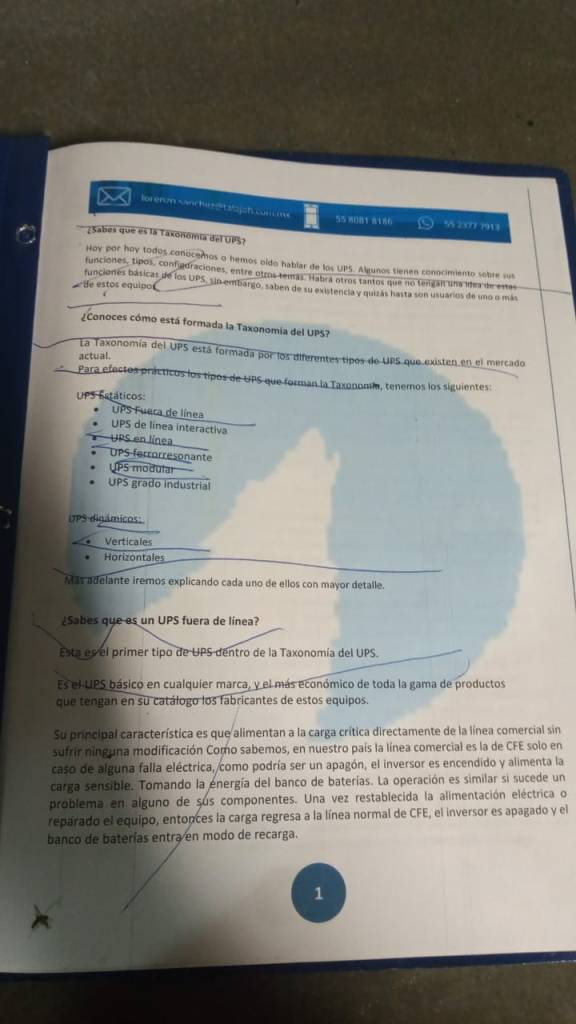
2023.09.29 – Energía Lorenzo https://www.linkedin.com/posts/lorenzo-sanchez-f-energia_reguladordevoltaje-ups-datacenter-activity-6993566519821561856-EzcJ?utm_source=share&utm_medium=member_desktop https://www.linkedin.com/posts/lorenzo-sanchez-f-energia_reguladordevoltaje-ups-datacenter-activity-6994286924689534976-OsaA?utm_source=share&utm_medium=member_desktop https://www.linkedin.com/posts/lorenzo-sanchez-f-energia_ups-reguladordevoltaje-datacenter-activity-6995365992075837440-aX8n?utm_source=share&utm_medium=member_desktop https://www.linkedin.com/posts/lorenzo-sanchez-f-energia_ups-reguladordevoltaje-datacenter-activity-6995365992075837440-aX8n?utm_source=share&utm_medium=member_desktop https://www.linkedin.com/posts/lorenzo-sanchez-f-energia_ups-reguladordevoltaje-datacenter-activity-6996088913186492416-X3Pw?utm_source=share&utm_medium=member_desktop https://www.linkedin.com/posts/lorenzo-sanchez-f-energia_ups-reguladordevoltaje-datacenter-activity-6996952759979708416-Rx-2?utm_source=share&utm_medium=member_desktop https://www.linkedin.com/posts/lorenzo-sanchez-f-energia_ups-reguladordevoltaje-datacenter-activity-6997918943852060672-TL81?utm_source=share&utm_medium=member_desktop https://www.linkedin.com/posts/lorenzo-sanchez-f-energia_ups-reguladordevoltaje-datacenter-activity-6998628995575541760-EhsX?utm_source=share&utm_medium=member_desktop https://www.linkedin.com/posts/lorenzo-sanchez-f-energia_ups-reguladordevoltaje-datacenter-activity-6999366112815587329-kRUs?utm_source=share&utm_medium=member_desktop https://www.linkedin.com/posts/lorenzo-sanchez-f-energia_ups-reguladordevoltaje-datacenter-activity-7000449521134567425-0oqP?utm_source=share&utm_medium=member_desktop https://www.linkedin.com/posts/lorenzo-sanchez-f-energia_ups-reguladordevoltaje-datacenter-activity-7001172645236928512-SDLb?utm_source=share&utm_medium=member_desktop https://www.linkedin.com/posts/lorenzo-sanchez-f-energia_ups-reguladordevoltaje-datacenter-activity-7001898753158774785-4Bq7?utm_source=share&utm_medium=member_desktop https://www.linkedin.com/posts/lorenzo-sanchez-f-energia_ups-reguladordevoltaje-datacenter-activity-7002987818327187457-ecx7?utm_source=share&utm_medium=member_desktop https://www.linkedin.com/pulse/la-importancia-de-los-apagones-lorenzo-s%25C3%25A1nchez-energ%25C3%25ADa https://www.linkedin.com/pulse/consumo-de-nuestros-electrodom%25C3%25A9sticos-lorenzo-s%25C3%25A1nchez-energ%25C3%25ADa https://www.linkedin.com/posts/lorenzo-sanchez-f-energia_una-muy-feliz-noche-buena-y-una-mejor-navidad-activity-7012418299380592640-U6my?utm_source=share&utm_medium=member_desktop https://www.linkedin.com/posts/lorenzo-sanchez-f-energia_no-hay-plazo-que-no-se-cumpla-estamos-activity-7014967514648498176-b3m1?utm_source=share&utm_medium=member_desktop https://www.linkedin.com/posts/lorenzo-sanchez-f-energia_trabajoremoto-tierrafisica-ups-activity-7018206098889347072-eOqi?utm_source=share&utm_medium=member_desktop https://www.linkedin.com/posts/lorenzo-sanchez-f-energia_tierrafisica-ups-ahorrodeenergia-activity-7020742485450645504-cjhW?utm_source=share&utm_medium=member_desktop https://www.linkedin.com/posts/lorenzo-sanchez-f-energia_tierrafisica-ups-ahorrodeenergia-activity-7023280481043443712-zU2H?utm_source=share&utm_medium=member_desktop https://www.linkedin.com/posts/lorenzo-sanchez-f-energia_tierrafisica-ups-ahorrodeenergia-activity-7024003337100423168-V0wT?utm_source=share&utm_medium=member_desktop https://www.linkedin.com/posts/lorenzo-sanchez-f-energia_tierrafisica-ups-ahorrodeenergia-activity-7030890881415077888-Ui3A?utm_source=share&utm_medium=member_desktop https://www.linkedin.com/posts/lorenzo-sanchez-f-energia_tierrafisica-ups-ahorrodeenergia-activity-7024728877566488576-OHYz?utm_source=share&utm_medium=member_desktop https://www.linkedin.com/posts/lorenzo-sanchez-f-energia_tierrafisica-ups-ahorrodeenergia-activity-7025814718632140800-KlNF?utm_source=share&utm_medium=member_desktop https://www.linkedin.com/posts/lorenzo-sanchez-f-energia_tierrafisica-ups-ahorrodeenergia-activity-7026541531327053824-YZrU?utm_source=share&utm_medium=member_desktop https://www.linkedin.com/posts/lorenzo-sanchez-f-energia_tierrafisica-ups-ahorrodeenergia-activity-7027267499335319553-f619?utm_source=share&utm_medium=member_desktop https://www.linkedin.com/posts/lorenzo-sanchez-f-energia_reguladordevoltaje-ups-filtrosmagnaezticos-activity-7031632432663564289-uZh9?utm_source=share&utm_medium=member_desktop https://www.linkedin.com/posts/lorenzo-sanchez-f-energia_por-qu%C3%A9-necesito-instalar-un-supresor-de-activity-7032341005949440000-m0uV?utm_source=share&utm_medium=member_desktop https://www.linkedin.com/posts/lorenzo-sanchez-f-energia_tierrafisica-ups-ahorrodeenergia-activity-7033427800879489024-o8mc?utm_source=share&utm_medium=member_desktop https://www.linkedin.com/posts/lorenzo-sanchez-f-energia_tierrafisica-ups-ahorrodeenergia-activity-7034152217053978624-1C4C?utm_source=share&utm_medium=member_desktop https://www.linkedin.com/posts/lorenzo-sanchez-f-energia_tierrafisica-ups-ahorrodeenergia-activity-7035961773669183488-y4kH?utm_source=share&utm_medium=member_desktop https://www.linkedin.com/posts/lorenzo-sanchez-f-energia_tierrafisica-ups-ahorrodeenergia-activity-7036686644472684544-AcoM?utm_source=share&utm_medium=member_desktop https://www.linkedin.com/posts/lorenzo-sanchez-f-energia_tierrafisica-ups-ahorrodeenergia-activity-7037413321817407488-TkJQ?utm_source=share&utm_medium=member_desktop https://www.linkedin.com/posts/lorenzo-sanchez-f-energia_tierrafisica-ups-ahorrodeenergia-activity-7038499821019701248-kBrU?utm_source=share&utm_medium=member_desktop https://www.linkedin.com/posts/lorenzo-sanchez-f-energia_tierrafisica-ups-ahorrodeenergia-activity-7039225850726162433-1_EN?utm_source=share&utm_medium=member_desktop https://www.linkedin.com/posts/lorenzo-sanchez-f-energia_tierrafisica-ups-ahorrodeenergia-activity-7039949834564366336-XMvP?utm_source=share&utm_medium=member_desktop https://www.linkedin.com/posts/lorenzo-sanchez-f-energia_tierrafisica-ups-ahorrodeenergia-activity-7041036662528757761-FyfI?utm_source=share&utm_medium=member_desktop https://www.linkedin.com/posts/lorenzo-sanchez-f-energia_tierrafisica-ups-ahorrodeenergia-activity-7041762655765745664-BTv_?utm_source=share&utm_medium=member_desktop https://www.linkedin.com/posts/lorenzo-sanchez-f-energia_tierrafisica-ups-ahorrodeenergia-activity-7042484446180085760-sMH7?utm_source=share&utm_medium=member_desktop https://www.linkedin.com/posts/lorenzo-sanchez-f-energia_supresordepicos-ups-ahorrodeenergia-activity-7044298612998098944-InTu?utm_source=share&utm_medium=member_desktop https://www.linkedin.com/posts/lorenzo-sanchez-f-energia_reguladordevoltaje-ups-datacenter-activity-7045018977537855488-yxVq?utm_source=share&utm_medium=member_desktop https://www.linkedin.com/posts/lorenzo-sanchez-f-energia_tierrafisica-ups-ahorrodeenergia-activity-7046112707380449280-V3wq?utm_source=share&utm_medium=member_desktop https://www.linkedin.com/posts/lorenzo-sanchez-f-energia_tierrafisica-ups-ahorrodeenergia-activity-7046112707380449280-V3wq?utm_source=share&utm_medium=member_desktop https://www.linkedin.com/posts/lorenzo-sanchez-f-energia_tierrafisica-ups-ahorrodeenergia-activity-7046835802403717121-w9vx?utm_source=share&utm_medium=member_desktop https://www.linkedin.com/posts/lorenzo-sanchez-f-energia_tierrafisica-ups-ahorrodeenergia-activity-7047560637467496450-n8cG?utm_source=share&utm_medium=member_desktop https://www.linkedin.com/posts/lorenzo-sanchez-f-energia_tierrafisica-ups-ahorrodeenergia-activity-7048648102605443074-SA4d?utm_source=share&utm_medium=member_desktop https://www.linkedin.com/posts/lorenzo-sanchez-f-energia_tierrafisica-ups-ahorrodeenergia-activity-7049366491619622912-cioD?utm_source=share&utm_medium=member_desktop https://www.linkedin.com/posts/lorenzo-sanchez-f-energia_tierrafisica-ups-ahorrodeenergia-activity-7050143476440596480-awYy?utm_source=share&utm_medium=member_desktop https://www.linkedin.com/posts/lorenzo-sanchez-f-energia_tierrafisica-ups-ahorrodeenergia-activity-7051179117316108289-toim?utm_source=share&utm_medium=member_desktop https://www.linkedin.com/posts/lorenzo-sanchez-f-energia_tierrafisica-ups-ahorrodeenergia-activity-7051907098456059904-3BJS?utm_source=share&utm_medium=member_desktop https://www.linkedin.com/posts/lorenzo-sanchez-f-energia_tierrafisica-ups-ahorrodeenergia-activity-7052631857166749697-dM5z?utm_source=share&utm_medium=member_desktop https://www.linkedin.com/posts/lorenzo-sanchez-f-energia_tierrafisica-ups-ahorrodeenergia-activity-7053717011356397568-lVI3?utm_source=share&utm_medium=member_desktop https://www.linkedin.com/posts/lorenzo-sanchez-f-energia_tierrafisica-ups-ahorrodeenergia-activity-7054440843889291265-lCoz?utm_source=share&utm_medium=member_desktop https://www.linkedin.com/posts/lorenzo-sanchez-f-energia_tierrafisica-ups-ahorrodeenergia-activity-7055164055950430208-1FB5?utm_source=share&utm_medium=member_desktop https://www.linkedin.com/posts/lorenzo-sanchez-f-energia_tierrafisica-ups-ahorrodeenergia-activity-7056252234572988417-Y_Dk?utm_source=share&utm_medium=member_desktop https://www.linkedin.com/posts/lorenzo-sanchez-f-energia_tierrafisica-ups-ahorrodeenergia-activity-7056979048727543808-PGwV?utm_source=share&utm_medium=member_desktop https://www.linkedin.com/posts/lorenzo-sanchez-f-energia_tierrafisica-ups-ahorrodeenergia-activity-7057722221313617920-BE6l?utm_source=share&utm_medium=member_desktop https://www.linkedin.com/posts/lorenzo-sanchez-f-energia_tierrafisica-ups-ahorrodeenergia-activity-7058793693473869824-E3OI?utm_source=share&utm_medium=member_desktop https://www.linkedin.com/posts/lorenzo-sanchez-f-energia_tierrafisica-ups-ahorrodeenergia-activity-7059517253905481731-j6ey?utm_source=share&utm_medium=member_desktop https://www.linkedin.com/posts/lorenzo-sanchez-f-energia_tierrafisica-ups-ahorrodeenergia-activity-7064587495883100160-4yfM?utm_source=share&utm_medium=member_desktop https://www.linkedin.com/posts/lorenzo-sanchez-f-energia_tierrafisica-ups-ahorrodeenergia-activity-7066401741688225792-J88b?utm_source=share&utm_medium=member_desktop https://www.linkedin.com/posts/lorenzo-sanchez-f-energia_tierrafisica-ups-ahorrodeenergia-activity-7069664943901442048-CBi0?utm_source=share&utm_medium=member_desktop
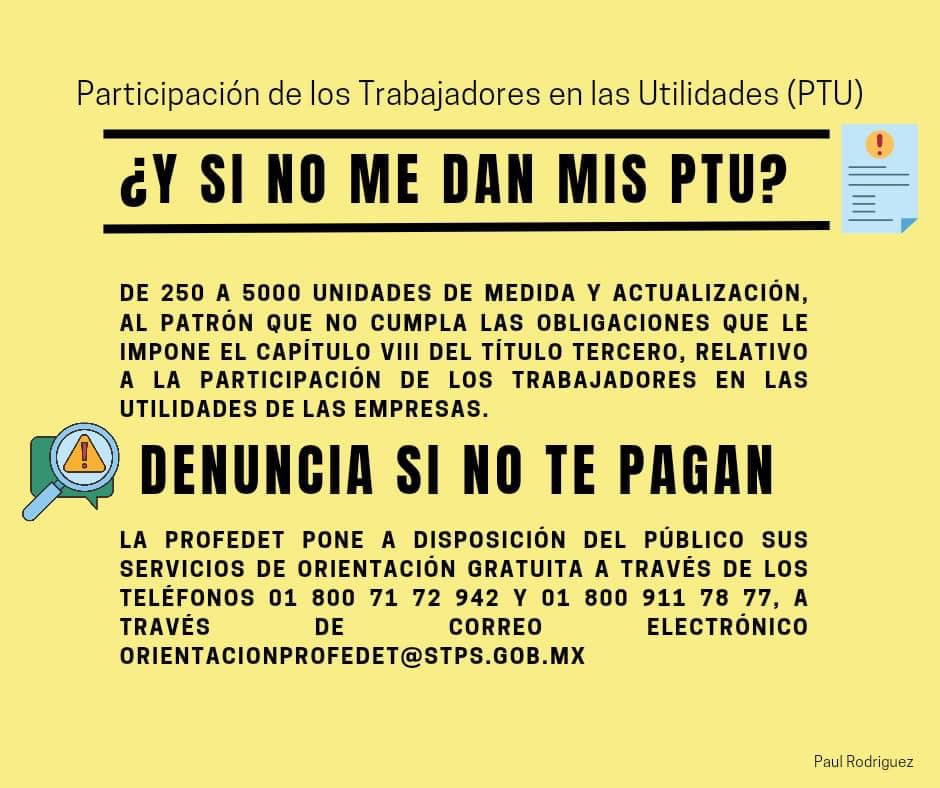
2023.09.29 – PTU Reparto de Utilidades https://www.instagram.com/p/CsKgAeNOten/?igshid=NjZiM2M3MzIxNA%3D%3D https://www.elfinanciero.com.mx/mis-finanzas/2023/05/09/utilidades-2023-mexico-que-pasa-si-no-me-las-pagan-esto-puedes-hacer-segun-la-ley/ https://www.youtube.com/watch?v=fej4KppQjgM
2023.09.29 – Aprendemos Juntos https://www.instagram.com/tv/CfLmE6_Foqq/?igshid=MDJmNzVkMjY= https://fb.watch/dxWG-JU7Ar/ https://www.instagram.com/tv/CfqfayGFZf2/?igshid=MDJmNzVkMjY= https://www.instagram.com/reel/Cg1pVP5DIUt/?igshid=MDJmNzVkMjY= https://www.instagram.com/reel/ChErDAzlm95/?igshid=MDJmNzVkMjY= https://fb.watch/eUEqEGYY1_/ https://www.instagram.com/tv/Cholv21K273/?igshid=MDJmNzVkMjY= https://www.instagram.com/reel/ChtytKSDlBe/?igshid=MDJmNzVkMjY= https://www.instagram.com/tv/Cc2bR72FlEr/?igshid=MDJmNzVkMjY= https://www.instagram.com/tv/CdsSRfclNo1/?igshid=MDJmNzVkMjY= https://fb.watch/fY_aQpbXUQ/ https://fb.watch/f-8ICpTu_s/ https://www.facebook.com/AprendemosJuntosBBVA/videos/394575161047570 https://youtu.be/vpodOZSrAFA https://fb.watch/g6aNd7kw8A/ https://fb.watch/gk8njXa11q/ https://fb.watch/gkrlOaip0y/ https://fb.watch/gmj-2BJbeW/ https://fb.watch/gmYcyGS6Vm/ https://fb.watch/gmYm5Vn3EY/







 My Diary - Leonardo Cardillo