2025.10.12 – How Elegance, Posture, Historical Etiquette, and Modern Influence Converge Around Fashion Norms

Key Takeaways

  • Many conventions in fashion (which suit button to leave open, how to sit, avoiding showing shoe soles) come from historical precedents and social symbolism.
  • Etiquette around bodily behavior (such as not burping) is rooted in class, civility, and visible self-control.
  • Influencers reinterpret these centuries-old norms into advice for modern audiences.
  • Trends become binding when repeated practice, authority endorsement, and societal acceptance merge.

Story & Insights

Magno Scavo, Posture & Elegance

A reel shared shows “Sitting Mistakes That Ruin Your Elegance”, with guidance like stepping back to sit, lowering oneself with control, adjusting the jacket after sitting, and avoiding exposing the sole of the shoe when crossing legs. In that visual moment, showing the sole acts as a subtle marker of inattentiveness or neglect.

Magno Scavo (real name Nicolás Scavo) is a Venezuelan-born men’s style influencer based in Spain. Before building his public presence, he worked in construction. Encouraged by his partner, he moved into photography, modeling, and fashion content. He now reaches millions across social platforms.

Practical Elegance Checklist (Inserted as Requested)

Below is the checklist you provided, adapted into English and included whole, to serve as a hands-on reference:

Practical Elegance Checklist (Inspired by Magno Scavo)

Elegance in the Details

Attire Preparation

  • [ ] Plan your outfit the night before; no last-minute improvisation.
  • [ ] Ensure clothes are clean, pressed, and well-fitted.
  • [ ] Wear garments that suit your body—neither too loose nor tight.
  • [ ] Unbutton the last button of your jacket or vest.
  • [ ] Coordinate belt and shoes in color and tone.
  • [ ] Avoid large logos or overly flashy design elements.
  • [ ] Use perfume sparingly—one or two subtle sprays.

Posture and Presence

  • [ ] Keep your spine straight, shoulders relaxed, gaze forward.
  • [ ] Walk calmly and with purpose; no hurrying or slouching.
  • [ ] Avoid placing your hands in pockets while speaking or walking.
  • [ ] Smile gently; convey calm confidence without exaggeration.

Sitting with Elegance

  • [ ] Unbutton your jacket before sitting down.
  • [ ] Step back until backs of your legs touch the chair, then sit gently.
  • [ ] Never show the sole of your shoe when crossing legs.
  • [ ] Cross legs at the ankles, not at the knees.
  • [ ] After sitting, adjust the jacket lightly from the sides.
  • [ ] Keep your hands relaxed on your thighs or lightly clasped.
  • [ ] When standing again, re-button the jacket in a smooth motion.

Nonverbal Communication

  • [ ] Speak deliberately, enunciate clearly, and maintain eye contact.
  • [ ] Use mild, contained gestures; avoid pointing.
  • [ ] Listen actively—do not interrupt; nod naturally.
  • [ ] Do not check your phone during conversations.

Attitude

  • [ ] Elegance is not arrogance—stay polite, attentive, respectful.
  • [ ] Avoid boasting or criticizing others.
  • [ ] Confidence is shown more by presence and silence than words.
  • [ ] Remember: “Clothing draws attention, but attitude conquers.”

How Fashion “Rules” and Etiquette Are Created

Fashion “rules” such as “leave the bottom button open” did not originate in decrees but evolved through imitation and social meaning. For example, King Edward VII in the 19th century began leaving his last jacket button undone due to his waist size, and courtiers imitated him, making it a style convention.

Etiquette around bodily behaviors like not burping publicly emerged during the Renaissance and earlier, when thinkers like Erasmus of Rotterdam argued that outward manners must reflect inner discipline. Thus, mastering bodily impulses became a class marker and social expectation.

A trend becomes entrenched when three elements align:

  1. Repetition — enough people adopt it.
  2. Validation — influencers, elites, or experts endorse it.
  3. Normalization — it becomes widely expected or unremarkable.

Historical Examples Beyond Suit Buttons

Many fashion or etiquette norms began as functional choices or accidental practices, later gaining symbolic weight:

  • Removing Hats Indoors
    Knights in medieval Europe lifted helmet visors to show identity; that evolved into removing hats indoors as a gesture of deference.
  • Tailcoats / Split Backs
    Riding coats were cut at the back for horseback use; over time that evolved into split-back formal evening wear.
  • Trousers’ Crease
    What began as a fold from storage transformed into a pressed crease symbolizing order and precision.
  • Oxford Shoes
    Students at Oxford University sought a sleeker alternative to boots; this understated design became associated with sophistication.
  • The Necktie / Cravat
    Croatian mercenaries used neck scarves; French courts adopted them, coining “cravate” (from “Croat”), turning a military accent into high fashion.
  • Wristwatch on the Left Hand
    Because most people are right-handed, wearing the watch on the left reduces risk of damage. This practical origin turned into conventional norm.
  • Dark Suits for Formal Occasions
    During industrialization, dark tones became associated with seriousness and professionalism; that became standard in formalwear.
  • Gloves
    Originally protective, gloves became status symbols. Removing one glove to shake hands signified equality and respect.
  • Heels
    High heels once used by male equestrians for stability. Kings later adopted them as status symbols; eventually, they shifted gender role and symbolism.

Roles & Entities

  • Magno Scavo / Nicolás Scavo — Style influencer and interpreter of elegant posture.
  • King Edward VII — His habit of leaving the bottom jacket button undone became a fashion norm.
  • Erasmus of Rotterdam — Renaissance scholar who promoted civility in behavior.
  • Croatian mercenaries / French court — Agents in the origin of the cravat (necktie).
  • Courtiers, tailors, students, military — Groups who transformed practical needs into symbolic fashion.

Chronological Highlights

  • Renaissance era: civility manuals promote visible manners.
  • Seventeenth century: cravat and heel trends purely courtly.
  • Nineteenth century: Edward VII’s open-button habit becomes entrenched.
  • Twentieth century: color conventions, wristwatch norms, tailored fashion formalize.
  • Twenty-first century: digital influencers rearticulate those codes for modern audiences.

Sources

Glossary / Definitions

Cravat (necktie origin)
Derived from French cravate, meaning “Croatian” scarf used in 17th-century France.

“Clothing draws attention, but attitude conquers”
A distilled slogan emphasizing gesture and presence beyond appearance.

Routine button rule (leave bottom jacket button open)
A style convention traced to King Edward VII’s personal adaptation, later widely adopted.

Civility manuals / Erasmus
Renaissance era texts prescribing outward manners as indicators of inner self-discipline.
2025.10.12 – How to Decide Between Oxford and Derby Shoes for a Sharp Office Look and Smart Casual Style

Key Takeaways

  • Oxford shoes feature closed lacing, creating a sleek, elegant appearance perfect for formal occasions.
  • Derby shoes use open lacing, offering flexibility and a slightly more relaxed look.
  • The difference between them, though subtle, determines whether your outfit communicates professionalism or ease.
  • Matching the right shoe to the right moment refines both comfort and presentation.

Story & Details

Oxford Shoes: Formal Precision

Oxford shoes are identified by closed lacing, where the eyelet tabs are sewn underneath the vamp—the front upper part of the shoe. This construction creates a tight, smooth silhouette that complements tailored suits and formal wear.
The design’s origin in traditional British dress codes still defines elegance today. Oxfords are ideal for meetings, ceremonies, and any event where polish and discretion matter. Their symmetry and understated shine convey confidence without excess.

Derby Shoes: Flexibility with Style

Derby shoes are characterized by open lacing, where the eyelet tabs sit on top of the vamp. This allows for a looser fit and greater comfort, accommodating different foot shapes and socks.
The more casual construction gives the Derby versatility—it pairs well with chinos, textured suits, or even dark jeans. The slightly broader look projects an approachable, modern formality suited to creative or relaxed office environments.

Style Matching and Impression

A well-chosen pair of shoes completes the language of clothing. Black Oxfords align with formality and authority, while brown Derbies evoke warmth and adaptability.
In professional settings, footwear often becomes the silent signal of detail awareness. Understanding when to choose either can subtly elevate your presence—projecting reliability, comfort, or distinction as needed.

Entities & Roles Index

  • MODA CAPITAL MEN – Fashion content creator whose video inspired this explanation.
  • Facebook – Platform where the original comparison video was shared.
  • Wikipedia and YouTube – Used as reliable, current references for design definitions and style demonstrations.

Definitions & Translations

Closed lacing

A shoe construction method in which the eyelet tabs are stitched beneath the vamp, producing a tighter and more formal silhouette.

Open lacing

A shoe construction method in which the eyelet tabs rest on top of the vamp, providing a wider opening and more comfortable fit.

Sources

Conclusions

The Oxford and Derby represent two philosophies of style. The Oxford embodies structure, discipline, and precision; the Derby, freedom, comfort, and adaptability.
Learning to read these details turns dressing into a thoughtful act—where each choice speaks quietly but clearly about balance, intent, and personal character.

2025.10.12 – When Song, Square, and Authority Intertwine: Veracruz’s Son Jarocho, Xalapa’s Zócalo, and the Capital Identity

Key Takeaways

Veracruz’s soul resonates through Son jarocho, a tradition of music, dance, and improvisation. The historic heart of Xalapa serves as its zócalo (main civic square), where daily and ceremonial life merge. Xalapa-Enríquez is the capital of Veracruz state, blending political power with cultural and academic vitality.

Story & Details

Veracruz Folklore

Son jarocho is a folk tradition from the Gulf coast of Veracruz that entwines Indigenous, Spanish, and African musical roots.
Its instrumentation commonly includes jarana jarocha, harp (arpa jarocha), requinto jarocho, leona (bass), pandero, quijada (jawbone), and occasionally marimbol.
These pieces come alive in fandangos, gatherings where musicians improvise verses while dancers perform zapateado on a wooden tarima platform.
Signature songs like La Bamba, La Bruja, and Chuchumbé are central to its repertoire. La Bamba has achieved international recognition, while Chuchumbé was once suppressed by ecclesiastical authorities for its daring content.
A live example: Son Jarocho Master Musicians: César Castro & others (YouTube) captures the tradition in performance.

The Zócalo in Xalapa

In Mexican civic tradition, zócalo means the principal public square. The term derived from the “plinth” base used in Mexico City and came to label central plazas across many towns.
Xalapa’s central district—anchored by its Metropolitan Cathedral, Palacio de Gobierno, gardens, and monuments—serves as its functional zócalo.
This central space hosts festivals, performances, civic gatherings, and everyday encounters. Shaded arcades, historic façades, plazas and pedestrian passages shape a public arena where tradition and life mingle seamlessly.

Xalapa as Capital

Xalapa-Enríquez is the capital city of Veracruz state in Mexico.
In 2020, the city’s population stood at about 443,063 and the broader municipality at 488,531. (Wikipedia)
The name Xalapa derives from Nahuatl xālli (“sand”) + āpan (“water”)—meaning roughly “spring in the sand” or “sandy water.” (Wikipedia)
The addition “Enríquez” honors Governor Juan de la Luz Enríquez.
Xalapa carries nicknames such as “City of Flowers” (bestowed by Alexander von Humboldt) and “Athens of Veracruz” for its intellectual and cultural life. (Britannica)
It is also home to Universidad Veracruzana (UV, Veracruzana University), a pivotal regional institution of higher learning and culture.

Chronology

  • 1791: Xalapa is declared a villa (town) and granted a coat of arms.
  • 09 May 1824: Formal designation as the capital of Veracruz state.
  • 1892: Adopts the name Xalapa de Enríquez.

Variants

  • Xalapa and Jalapa are alternative spellings; Xalapa is standard today.
  • Interpretations of Xalapa range between “spring in the sand” and “sandy water.”
  • In many Mexican cities, plazas may have formal names, yet residents often continue to call them zócalo in practice.

Entities & Roles

  • Veracruz (state): Region whose culture and capital are under discussion
  • Xalapa (Xalapa-Enríquez): Capital city combining governance and culture
  • Universidad Veracruzana (UV): Key university shaping regional identity
  • Son jarocho: Folk musical-dance tradition of Veracruz
  • Fandango: Communal event where Son jarocho is animated
  • Zócalo: Principal civic square, embodied by Xalapa’s central zone

Conclusions

Son jarocho pulses in plazas and voices, not relics or archives. Xalapa’s civic core is more than geography—it is a stage on which heritage lives. As capital, Xalapa weaves governance, education, and cultural expression into a living identity that keeps Veracruz’s traditions current and resonant.

Sources

Definitions & Translations

“folklore veracruzano” (translated from Spanish)

Folklore of Veracruz: musical, dance, poetic, and cultural traditions rooted in the state of Veracruz.

“Zócalo” (translated from Spanish)

Main public square in a Mexican city; term derived from Spanish for “plinth” or “base.”

“Son jarocho”

A Veracruz folk genre combining music, dance, and poetic verses in communal performance.

“Fandango”

A social-musical gathering in which Son jarocho is performed, with improvisation and dance.

“Zapateado”

Rhythmic footwork danced on a wooden platform, serving as percussive accompaniment.

“Ciudad de las Flores” (translated from Spanish)

“City of Flowers”: nickname for Xalapa, evoking its floral beauty and lush climate.

“Atenas Veracruzana” (translated from Spanish)

“Athens of Veracruz”: nickname highlighting Xalapa’s cultural and intellectual stature.

2025.10.12 – How the Cobos–Furbero Railway — the Legendary “Maquinita” of Veracruz — Forged Poza Rica’s Identity through Oil, Rails, and Collective Memory

Key Takeaways

  • The Cobos–Furbero Railway, affectionately known as “la maquinita”, was a complete narrow-gauge railway line, not just a locomotive.
  • Built between 1902 and 1908 by the Oil Fields of Mexico Company, it connected Cobos (near the port of Tuxpan) with Furbero (today part of Coatzintla) across roughly 82 km of rugged terrain.
  • This railway enabled the transport of oil equipment, materials, and workers, fueling the development of Poza Rica de Hidalgo and the regional petroleum industry.
  • Officially inaugurated on 16 September 1908, it became the first stable route through the oil zone of northern Veracruz, long before modern highways existed.
  • Though dismantled mid-20th century, its memory endures as a cultural symbol of progress, community, and industrial heritage — celebrated today in museums, social media, and civic pride.

The Story and Details

The Digital Legacy

A Facebook post by cultural promoter Carmelita Carballo, part of her #SabíasQue (“Did You Know”, translated from Spanish) series, revived public attention to the Cobos–Furbero Railway, known locally as “la maquinita.”
Her message — translated from Spanish — read that it “revolutionized its time and helped consolidate our beloved Poza Rica de Hidalgo as Mexico’s petroleum capital.”
Images showed a small locomotive with passengers, old railway sections cutting through forested slopes, and a map tracing the line between Tuxpan and Poza Rica.

Origins and Purpose

At the dawn of the 20th century, Veracruz’s northern oilfields were isolated. To overcome this, the Oil Fields of Mexico Company planned and built a 610 mm narrow-gauge railway, the Cobos–Furbero line, between 1902 and 1908.
Its mission was simple yet transformative: to move heavy drilling machinery, pipes, food, and workers from the port of Tuxpan to interior camps in Furbero, Coatzintla, and what would become Poza Rica.
The railway served as the backbone of an emerging industrial region, the artery that carried not just oil but civilization into the jungle and lowlands.

Operation, Route, and Milestones

  • Inauguration: 16 September 1908.
  • Track: Approx. 82 km, 610 mm gauge.
  • Rolling stock: Initially British-made steam locomotives; by the 1940s, diesel engines replaced them.
  • Travel time: Originally 10–12 hours (full route); diesel reduction to ~4 hours.
  • Top speed: ≈14 km/h, adequate for steep grades and fragile bridges.
  • Key sites: Stations at km 0 (Cobos), 8, 12, 18, 25, 31 (La Unión), 44, 52, 65, 77, 82 (Furbero). A metal bridge over the Cazones River at km 31 was a technical landmark.
  • Service: Mixed freight and passenger. Locals often rode on open cars free of charge, while certain freight (corn, tools) was billed. Kalamazoo motor cars were reserved for foreign engineers and managers.
  • Decline: When roads arrived in 1959, the railway lost function and was gradually dismantled. In 1963, a diesel locomotive was mounted as a monument in Poza Rica, where it still stands.

Impact on Poza Rica and the Region

The Cobos–Furbero Railway became the lifeline of northern Veracruz. It linked oil zones, enabled trade, and created settlements along its path.
Villages that began as oil camps turned into permanent towns; among them, Poza Rica, which grew into the main industrial hub of the region.
The railway’s daily movement of workers and goods brought a new social rhythm — bridging urban and rural, Mexican and foreign communities.
By linking oilfields to ports, the maquinita transformed local geography and economy into a dynamic industrial landscape.

Memory, Heritage, and Rediscovery

Decades after its closure, the Cobos–Furbero line remains alive in memory. A diesel locomotive preserved in a Poza Rica roundabout serves as a daily reminder of its industrial origins.
Historians and citizens have since reconstructed its story through photographs, municipal records, and oral accounts. Social media initiatives — including Carballo’s post — have brought the railway’s history back to public awareness, especially for younger generations who never saw its tracks.

Verified Video Evidence

Modern videos show that parts of the rail bed and the metal bridge still exist. One verified example is the YouTube documentary “Fuimos al túnel y al puente donde pasaba la maquinita”, which guides viewers through the old tunnel and bridge remains and narrates their role in regional development.
Watch here: https://www.youtube.com/watch?v=Nl8dgkpSwLc (verified October 2025).

Definitions & Term Translations

maquinita

  • Meaning: Diminutive of “machine” in Spanish, used affectionately to refer to the small locomotives of the Cobos–Furbero railway.
  • Origin: Spanish term derived from máquina + diminutive suffix -ita.
  • Acceptance: Deeply embedded in Mexican industrial vocabulary and regional heritage.

zona

  • Meaning: “Zone” or “area,” referring to a geographical region or sector.
  • Origin: Borrowed from Spanish, cognate with the English word “zone.”
  • Professional acceptance: Standard term in geography and urban studies.

Conclusions

The Cobos–Furbero Railway, better known as “la maquinita,” was far more than a cute train — it was a full rail system that defined the industrial era of northern Veracruz.
It carried tools, oil, and hope across a landscape that had no roads, forging the identity of Poza Rica de Hidalgo and its people.
Today, through heritage projects and digital storytelling, its rails still run in memory, linking past innovation to present pride.

Sources

2025.10.12 – How to Express Yourself with WhatsApp’s 3D Avatars — Profiles, Stickers, and Customization

Key Takeaways

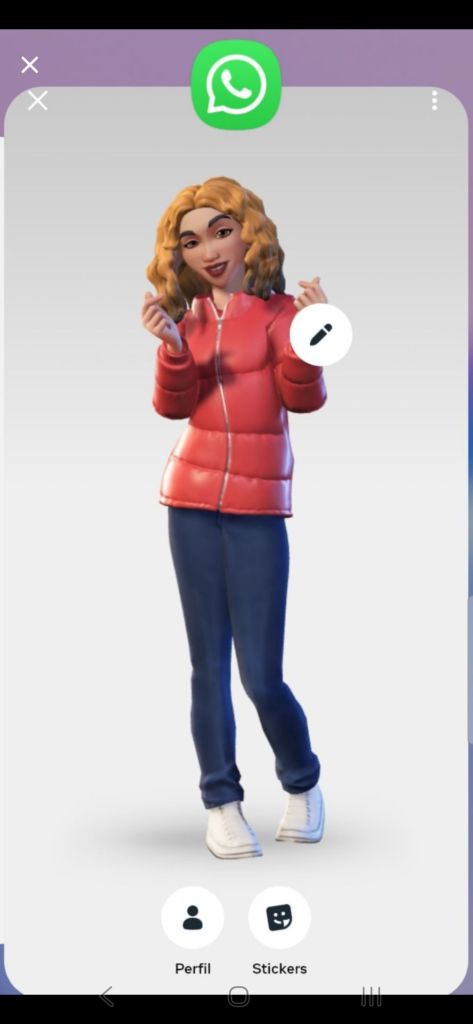
  • WhatsApp allows users to design 3D avatars that reflect their appearance and style.
  • These avatars can be used as profile pictures and automatically generate sticker packs for chats.
  • The feature includes detailed customization options such as facial features, clothing, and accessories.
  • Spanish interface terms like “Perfil” and “Stickers” correspond to “Profile” and “Stickers” in English.

How WhatsApp Avatars Work

WhatsApp’s avatar system lets users create digital characters representing themselves. Each avatar can be used both as a profile image and in chat stickers.

According to official guidance, avatars can be customized with a wide range of features, and once created, they generate a sticker pack automatically.
The help pages explain how to use avatars in chats and as profile images:

Setting Up & Customizing

To create and personalize an avatar:

  • Go to Settings → Avatar → Create Your Avatar
  • Choose skin tone, hair, eyes, clothing, and other attributes
  • Tap Edit at any time to adjust the avatar
  • Choose a background and pose when setting the avatar as your profile picture
  • Open a chat, tap the sticker icon, and select the avatar sticker tab to send personalized stickers

Adweek describes this process in detail, showing how users can choose avatar poses for their profile photos. Meta has stated that avatars offer billions of possible combinations and include 36 unique sticker expressions.

Privacy and Permissions

WhatsApp includes privacy options for avatars. Users can control how others view or use their avatar stickers, maintaining a balance between creativity and privacy.

Challenges, Limitations and Community Notes

  • After updating to iOS 17.5.1, some users reported that avatars disappeared or failed to load properly.
  • Errors such as “could not open editor” or blank creation screens have been noted by users online.
  • Some have experienced color-selection glitches affecting eye, lip, or accessory tones.
  • Several YouTube videos provide fixes, such as “WHATSAPP AVATAR NOT WORKING (In Minutes).”

These issues generally resolve after reinstalling WhatsApp or updating to the latest version, according to community feedback.

Entities and Roles

  • WhatsApp — messaging application that integrates the avatar feature.
  • User — any individual who creates or customizes a digital avatar.
  • Avatar — a three-dimensional digital representation of a user used for profiles and stickers.

Conclusions

WhatsApp’s 3D avatars enhance communication by offering a more personal and creative form of self-expression. With extensive customization options and integration into chats and profiles, avatars bridge identity and interaction in a modern way. Despite occasional technical issues, the feature remains a significant addition to the WhatsApp ecosystem, blending personalization with fun and accessibility.

Sources

2025.10.12 – When Grief Spreads in Pixels and Headlines: Diane Keaton’s Reported Death, Her Final Days, and the Mystery That Remains

Key Takeaways

  • On 11 October 2025, major media outlets reported that Diane Keaton had died at 79.
  • Sources such as AP (Associated Press) News, People Magazine, Reuters, The Guardian, and Deadline confirmed her passing, citing a family spokesperson.
  • The cause of death remains undisclosed; reports describe a “very sudden” decline in health.
  • Tributes from friends, actors, and fans worldwide praised her humor, authenticity, and lasting creative impact.
  • Because some information is still unconfirmed, variants acknowledging uncertainty are included.

Public Confirmation from Media Outlets

Reputable news organizations quickly verified the story and expressed collective mourning for one of cinema’s most beloved figures.

These publications established a consistent narrative: Keaton’s death occurred at age 79, her family requested privacy, and the world mourned a performer whose talent defined decades of filmmaking.


Health, Decline, and Uncertainty

Several entertainment outlets suggested that Keaton’s health had “declined very suddenly” in recent months.
https://pagesix.com/2025/10/11/celebrity-news/diane-keatons-health-unexpectedly-declined-very-suddenly-in-months-leading-to-her-death/

Her final Instagram post (April 2025) showed her smiling beside her dog Reggie, seemingly healthy and happy.
https://pagesix.com/2025/10/11/celebrity-news/diane-keaton-looked-healthy-in-last-instagram-photo-before-her-death/

A close friend told People:

“She was funny right up until the end. She lived exactly as she wanted — surrounded by people she loved.”

Despite extensive coverage, no medical explanation has been publicly confirmed.

Variants (Due to Uncertainty)

  • Variant A: Keaton’s death followed a rapid and unexplained health decline, as noted in several reports.
  • Variant B: Because no medical or family statement has been released, later updates could alter this understanding.

Tributes, Legacy, and the Echo of Her Presence

Hollywood and audiences around the world paid tribute within hours.

A YouTube video titled “Remembering Diane Keaton: Goldie Hawn, Reese Witherspoon, Steve Martin & More Pay Tribute” remains an emotional homage to her life and career.
https://www.youtube.com/watch?v=JqprZcMvgao

Her filmography spans over five decades, including The Godfather (1972), Annie Hall (1977), Something’s Gotta Give (2003), The First Wives Club (1996), and Summer Camp (2024), her final on-screen appearance.
https://en.wikipedia.org/wiki/Diane_Keaton
https://en.wikipedia.org/wiki/Summer_Camp_%282024_film%29

Her humor, courage, and individuality made her one of Hollywood’s most beloved figures, transcending generations and genres.


Entities & Their Roles

  • Diane Keaton — American actress, director, producer; reportedly died 11 October 2025.
  • News outletsAP News, People Magazine, Reuters, The Guardian, Deadline, Page Six.
  • Tributing peersBette Midler, Jane Fonda, Candice Bergen, Mary Steenburgen, Goldie Hawn, Reese Witherspoon, Steve Martin.

Chronology (Netherlands Time Included)

  • 11 October 2025 (evening, NL time): first reports published internationally.
  • Same night: global media confirm her death and publish obituaries.
  • 12 October 2025 onward: tributes, retrospectives, and memorials shared worldwide.

Conclusions

Reports from leading international outlets confirm Diane Keaton’s death at 79.
Although her family has not revealed a cause, consistent descriptions mention a swift health decline.

Her departure leaves an artistic and emotional imprint felt across generations.
Through laughter, courage, and originality, she remains a cinematic symbol of authenticity and grace.


Sources

2025.10.12 – When a Puppet, The Odyssey, and Spanish Subjunctive Cross Paths: A Playful Yet Precise Exploration

Key Takeaways

  • A whimsical anecdote about a puppet becomes a lesson in Spanish grammar.
  • The sentence “Le dije que primero se leyera la Odisea” (translated from Spanish: “I told them to first read The Odyssey”) is grammatically correct when reporting speech in the past.
  • The choice between “lea” and “leyera” depends on whether the act of telling occurs in the present or the past.
  • This episode blends humor, culture, and grammatical precision.

The Anecdote

A person bought a puppet simply for fun. Another person, seeing it, wanted one too. The playful answer: “First, read The Odyssey.”
This moment captured the humor of contrasting a simple toy with one of the world’s great epics — a joke laced with poetic irony.

The Grammar Question

The question arose: is the phrase “Le dije que primero se leyera la Odisea” correct, or should it be “Lea” instead of “Leyera”?

The correct form is “leyera.”
In Spanish, when reporting a past command or suggestion, the verb in the subordinate clause must shift into the imperfect subjunctive.
If the act of speaking were in the present (“Le digo que…”), then “lea” — the present subjunctive — would be correct.

Spanish Subjunctive & Reported Speech

The Subjunctive Mood

The subjunctive mood expresses uncertainty, desire, emotion, or hypothetical situations. It frequently follows que (“that”) in subordinate clauses.
It is one of Spanish’s most distinctive features and often changes form when speech is reported or shifted in time.

Indirect (Reported) Speech

In reported speech, Spanish shifts tenses backward when the reporting verb is in the past.
A direct command like “Lee la Odisea” (“Read The Odyssey”) becomes “que se leyera la Odisea” (“that they read The Odyssey”) when reported with a past-tense verb such as “le dije.”
This “backshift” maintains temporal consistency between the reporting and the reported action.

Helpful Video Resources

These are verified, live YouTube resources explaining Spanish reported speech and the subjunctive:

Additional Verified Grammar References

Translation / Lexical Notes

“Le dije que primero se leyera la Odisea”

Translated from Spanish: “I told them to first read The Odyssey.”

Lea

Present subjunctive of leer (“to read”); used when the main verb is in the present.

Leyera

Imperfect (past) subjunctive of leer; used when the main verb is in the past.

The Odyssey

An ancient Greek epic poem attributed to Homer, following Odysseus’s journey home after the Trojan War.

Final Thoughts

A lighthearted remark about a puppet unexpectedly turned into a small but illuminating lesson in Spanish grammar. The phrase “Le dije que primero se leyera la Odisea” stands as a perfect example of how Spanish adjusts its verb moods and tenses to match context.

The humor of requiring an epic reading before earning a toy underscores how play and intellect often meet — in language, in laughter, and in the timeless balance between the simple and the profound.

Sources

Verified YouTube Links

Verified Web References

2025.10.12 – When a Photo Becomes a Story: Natalia’s Moment of Wonder

The Moment That Sparked the Tale

A warm, candid kitchen photo shows Natalia smiling beside her father. On the table rest two cats, a purple potato, and a bowl of food. Beneath the image, a message (translated) asks:

“What action is Natalia performing in the image? Is she smiling, playing, or thinking about something?”

It remains uncertain whether the story inspired the photo or the photo inspired the story. What is clear is that both share the same tender sense of magic and affection.

What Natalia Appears to Be Doing

Natalia seems genuinely joyful. Her smile is spontaneous, her posture natural. She looks at one of the cats with curiosity, as if sharing a silent conversation. The scene feels unposed—an instant of affection and imagination rather than performance. The warmth of the image mirrors the emotional tone of the story that accompanies it.

The Story: The Adventure of Natalia and Her Father

In a quiet mountain village, Natalia and her father lived in a cozy home with their orange-and-white cat, Egeo. One day, while exploring their garden, they discovered a glowing purple potato buried in the soil.

The potato suddenly spoke:

“I am the Magical Potato of Wishes. If you carry me to the top of the Mountain of Dreams, I will grant each of you one wish.”

Excited, Natalia and her father set off on the journey, with Egeo faithfully following. When they reached the summit, the Magical Potato told Natalia that her wish would come true if she sang with all her heart. She began to sing, and her voice echoed across the valley.

Then the potato turned to her father and asked what he wished for. He said:

“I wish that Natalia always follows her dreams and finds happiness in everything she does.”

The wish was granted. On their way home, they realized that the true magic was not the wish itself, but the adventure they had shared. Egeo looked at them with shining eyes, as if he understood the secret of joy.

From Image to Illustrated Book

Whether the photograph came before or after the story no longer matters—the two belong together. The picture could illustrate a moment just before the potato speaks or right after their return. The fusion of real emotion and fantasy makes it easy to imagine the tale as an illustrated children’s book. It celebrates the small wonders of everyday life, turning love, imagination, and curiosity into something timeless.

Conclusions

A single image and a question about a smile unfolded into a story about dreams, companionship, and discovery. Natalia, her father, and their cat Egeo remind us that magic often lives within shared moments. The world does not need to be extraordinary for wonder to appear—it only needs a heart open to imagination.

Sources

2025.10.12 – How a Viral Mars Story Misled Millions—and What the Verified Facts Reveal About Alyssa Carson and the Reality of Human Missions to Mars

Key Takeaways

  • A viral post claimed that a 24-year-old woman would travel to Mars and never return.
  • The photo and description were based on Alyssa Carson, a U.S. space enthusiast, but she has not been selected for any Mars mission.
  • NASA (National Aeronautics and Space Administration) confirms that no crewed Mars mission currently exists or has a defined crew.
  • Fact-checking organizations such as Reuters, AFP (Agence France-Presse), and AAP (Australian Associated Press) have labeled the viral story false or misleading.
  • This article compiles verified data, credible reports, and accurate translations to clarify what is fact and what is fiction.

Narrative & Analysis

The Viral Claim and Its Wording

The viral message circulating on social media stated (translated from Spanish):

“A brave decision was made by a young woman of only 24, who will travel to Mars knowing she will never return to Earth.”

The post portrayed her as one of the “pioneers” of a first human colony on Mars. It called the decision heroic and claimed she had already committed to a no-return journey.

While the narrative was emotionally powerful, no such mission exists. The story spread rapidly because it resonated with themes of sacrifice, courage, and exploration, but lacked factual support.

Who Is Alyssa Carson and What the Evidence Shows

The woman in the photo is widely recognized as Alyssa Carson, a well-known space advocate and public speaker from the United States. Her image and achievements have often been used online to promote space education.

However, verified facts show a very different picture:

  • Not an astronaut: Carson is not employed or affiliated with NASA or any space agency.
  • Educational background: She holds a bachelor’s degree in astrobiology and is pursuing a PhD focused on Mars research.
  • Fact-checked statements:
  • Reuters confirmed she has not been selected for a Mars mission.
  • AFP clarified she is not a qualified astronaut and that one-way Mars missions are not technologically viable.
  • AAP FactCheck debunked claims suggesting she would go on a one-way trip, explaining that NASA’s Mars goals involve round trips only.
  • Public role: She appears in educational events, documentaries, and interviews, discussing her passion for space but never claiming to be part of a scheduled mission.

The viral story distorted her ambitions—turning an inspiring student into a fictional astronaut.

Why Such Stories Spread So Easily

  • Emotional power: A supposed “one-way ticket to Mars” touches deep human emotions—adventure, bravery, and loss.
  • Visual familiarity: Using a real person’s image gives false credibility to the claim.
  • Simplified narrative: Complex realities of space programs get replaced with dramatic, shareable myths.
  • Low fact-checking behavior: Many users share before verifying information from reliable sources.

The Reality of Human Mars Exploration

As of October 2025 (Europe/Amsterdam time), no human mission to Mars has been launched or scheduled.

  • NASA, ESA (European Space Agency), and private companies like SpaceX continue developing technology for potential crewed missions in the 2030s.
  • Enormous challenges remain: life support, radiation exposure, propulsion efficiency, and ensuring safe return to Earth.
  • All official mission plans are designed as return journeys, not permanent one-way settlements.

Human exploration of Mars remains a long-term goal—but one built on research, not on the viral fantasies circulating online.

Final Thoughts

The idea of a 24-year-old woman volunteering for a no-return Mars mission captures attention, but it is pure fiction.
Alyssa Carson represents enthusiasm and curiosity about space, not a confirmed astronaut or participant in any official mission.
This viral case reminds us that ambition and misinformation often intertwine in the age of social media.
Before believing or sharing extraordinary claims, one should always consult verified agencies, fact-checking platforms, and reputable science outlets.

Sources

2026.10.11 – Los Cuentos de Natalia y su Papá 💫

Una colección de historias mágicas donde la imaginación se mezcla con la tecnología 🌈💖.

Las tres primeras historias fueron creadas por Natalia con la ayuda de una inteligencia artificial,
y la última historia, “La Carta del Viento”, fue escrita por su papá con la ayuda de otra inteligencia artificial (ChatGPT),
como una respuesta especial para ella 🌬️💌.


🥔🌈 “La Aventura de Natalia y Leo”

💡 Historia creada por Natalia con ayuda de una inteligencia artificial

En un pequeño pueblo rodeado de montañas, Natalia y su papá Leo vivían en una casa acogedora con su gato Egeo, un hermoso felino naranja con blanco.
Un día, mientras exploraban el jardín, descubrieron una papa morada brillante enterrada en la tierra.

🌱🥔

De repente, la papa comenzó a hablar:

“Soy la Papa Mágica de los Deseos.
Si me lleváis a la cima de la Montaña de los Sueños, os concederé un deseo cada uno.”

🌟

Natalia y Leo se miraron emocionados y decidieron emprender el viaje.
Egeo, su fiel gato 🐈, los acompañó en cada paso del camino.

🏔️🐾

Al llegar a la cima, la Papa Mágica les reveló que el deseo de Natalia sería concedido si cantaba una canción con todo su corazón 💖.
Natalia comenzó a cantar con pasión, y su voz resonó en todo el valle 🎶🌈.

Luego, la Papa Mágica le preguntó a Leo qué deseaba.
Leo sonrió y dijo:

“Deseo que Natalia siempre siga sus sueños y encuentre la felicidad en todo lo que haga.”

La Papa Mágica asintió y concedió el deseo 💫.

De regreso a casa 🏡, Natalia y Leo se dieron cuenta de que la verdadera magia estaba en el viaje que habían compartido juntos.
Egeo, su gato, los miró con ojos brillantes 😺, como si hubiera entendido el secreto de la felicidad.

🐱❤️


🌙🏔️ “La Montaña de los Sueños”

💡 Historia creada por Natalia con ayuda de una inteligencia artificial

En un mundo mágico, donde las estrellas brillaban con un resplandor especial 🌟,
un joven llamado Leo y su padre, el sabio Astrum 🌌, emprendieron un viaje hacia la Montaña de los Sueños.

Se decía que en la cima de esta montaña se encontraban los secretos del universo y los deseos más profundos del corazón 💖.

Leo y Astrum caminaron durante días ⛺, cruzando ríos de plata y bosques que susurraban secretos al viento 🌲💨.
En su camino, se encontraron con criaturas mágicas 🦄🦋 que les ofrecieron ayuda y sabiduría.

Al llegar a la cima, un anciano sabio los esperaba 🧙‍♂️.
Les reveló el secreto de los sueños:

“Los sueños son la llave para desbloquear el potencial del universo.
Solo quienes creen en sí mismos y en su conexión con el mundo pueden alcanzar sus deseos más profundos.”

Leo y Astrum regresaron a su hogar 🌠 llenos de sabiduría y con un nuevo entendimiento de la magia que los rodeaba ✨.
Desde ese día, Leo persiguió sus sueños con pasión 💫 y su padre lo apoyó en cada paso del camino 👣.


🗺️❤️ “La Búsqueda del Tesoro Perdido”

💡 Historia creada por Natalia con ayuda de una inteligencia artificial

Natalia había oído historias sobre un tesoro perdido en la selva 🌴💎
que solo podía encontrarse resolviendo acertijos y superando desafíos misteriosos 🧩.

Un día, decidió emprender la aventura con su familia:
su mamá Sheila, su papá Leonardo, y su hermano Johan 👨‍👩‍👧‍👦.

🏞️

Comenzaron en una pequeña aldea, donde un anciano les dio un mapa 🗺️ y un acertijo:

“El tesoro se encuentra donde la sombra del sol no toca la tierra.” ☀️

La familia trabajó en equipo 🤝, usando sus talentos:

  • Natalia trepaba árboles con agilidad 🌳
  • Leonardo movía rocas con fuerza 💪
  • Sheila encontraba senderos ocultos gracias a su conocimiento de las plantas 🌿
  • Johan era veloz para escapar de trampas ⚡

Tras días de búsqueda 🌄, llegaron al lugar del mapa.
Allí hallaron un cofre antiguo con un mensaje grabado:

“El verdadero tesoro es el tiempo que pasamos juntos.” ❤️

La familia sonrió 😄, sabiendo que habían encontrado algo más valioso que el oro:
la aventura y el amor compartido 🌟.


💌🌬️ “La Carta del Viento”

💡 Historia escrita por el papá de Natalia con ayuda de ChatGPT, como respuesta para ella

Una tarde, mientras el sol 🌅 se escondía tras las montañas ⛰️,
una suave brisa entró por la ventana de Natalia 🌸.
Era un viento curioso 💨, perfumado con flores 🌼,
que traía algo entre sus remolinos:
una carta brillante doblada en tres ✉️✨.

Natalia la abrió con cuidado,
y en el papel vio dibujadas tres escenas que conocía muy bien:

🥔🌟 Una papa morada que sonreía,
🌙🏔️ Una montaña que tocaba las estrellas,
👨‍👩‍👧🌳 Y una familia caminando entre árboles y acertijos.

Entonces, la carta comenzó a hablar con voz de viento 💫:

—Hola, Natalia 🌈. Soy el Espíritu de tus Cuentos 📖.
Cada historia que has contado me ha dado vida.
Y he venido a darte las gracias 💕.

Natalia se quedó sin aliento 😮.
—¿A mí? ¿Por qué? —preguntó con asombro 😍.

El viento giró alegremente y respondió 🍃:

—Porque cuando escribes 🪶, haces que el mundo se llene de magia ✨.
Gracias a ti, la Papa Mágica sigue viajando por los sueños de los niños 🌈,
Leo y Astrum siguen descubriendo los secretos del universo 🌌,
y tu familia sigue encontrando tesoros donde antes solo había caminos ❤️.

El viento se arremolinó en torno a su escritorio 🌀✨
y dejó caer un pequeño objeto:
una pluma plateada que brillaba con luz propia 🪶🌟.

—Esta pluma escribe con el poder del corazón 💖 —dijo el viento—.
Si alguna vez sientes que no sabes qué historia contar,
solo escúchate 🫶.
Tus palabras están dentro de ti, esperando volar 🕊️.

Natalia tomó la pluma ✨ y escribió en el aire 🌈:
“Gracias, viento. Seguiré soñando.” 💫

Las letras se convirtieron en mariposas de luz 🦋✨
que salieron por la ventana, rumbo a nuevas aventuras 🌠.

Y desde aquel día 🌞, cuando Natalia escribía,
el viento siempre regresaba para leer sus historias 📜💨,
riendo entre las hojas 🍃 y susurrando:

—Sigue soñando, pequeña autora 🩵.
El mundo te está escuchando 🌍💫.

🕊️✨ FIN ✨🕊️

Design a site like this with WordPress.com
Get started