2026.01.04 – The Quiet Work of Adult ADHD in Love: Time, Feelings, and Staying Close

Key Takeaways

The subject

This is about adult Attention-Deficit/Hyperactivity Disorder (ADHD) and close relationships. [2]

The hard part

Adult ADHD can make time, planning, memory, and self-control harder. [2]
In love and friendship, small misses can feel like big messages.

The body part

Stress can raise cortisol, which can make patience thinner. [6]
Bonding can involve oxytocin, which can make the need for closeness feel stronger. [7]
Dopamine is linked with effort and reward, and ADHD medicines can affect dopamine. [8]
Serotonin is linked with mood and sleep in the body. [9]

The practical part

Simple routines and skills can lower fights: one shared calendar, one reminder place, and clear chores with one owner. [3]
Caffeine, including black tea, can help in the short term but can hurt sleep if it is too much or too late. [4][5]

Story & Details

Two truths in one hand

In December two thousand twenty-five, a few handwritten lines held a common feeling. Closeness can feel safe. Closeness can also feel scary. When a relationship has no clear shape, the mind fills the quiet with questions.

For some people, this fear is not only about the present. Old hurt can wake up fast. A short silence can feel like danger.

Adult ADHD is not only distraction

As January two thousand twenty-six begins, health agencies still describe ADHD as a long-term pattern that can affect daily life in more than one place, like home and work. [2]
In adults, it can look like trouble starting tasks, trouble finishing, losing track of time, forgetting steps, and acting too fast. [2]

A simple way to say it is this: the problem is often doing, not knowing.

Getting checked takes more than one test

There is no single test that proves ADHD. A careful check looks at signs, history, and how life is affected. It also checks other problems that can look similar, like sleep problems and mood problems. [1]

The chores loop

Chores are daily home tasks like dishes, laundry, trash, shopping, cleaning, and small repairs.

Many couples do not break in one big fight. They wear down in a loop. A task is agreed. It does not happen. The other partner does it to keep the home running. One person feels alone and tired. The other feels ashamed and watched.

A smaller fix is often stronger than a long talk:
Choose one owner for each task.
Choose one start time.
Make the first step tiny.
Do a short weekly check-in that stays on the plan, not on blame. [3]

“Now” can feel louder than “later”

Some people with ADHD feel pulled toward what is urgent right now. That can lead to last-minute work, fast spending, or a fight that grows fast. [2]

A simple help is to move “later” closer:
Use a timer.
Make the first step very small.
Put the next step where it can be seen.

Time can slip, and “remember later” can fail

Many adults say time feels slippery. Hours can vanish. The future can feel faint.

Another common problem is forgetting things that must happen later, like sending a message or paying a bill. A person can care and still forget the step.

A simple help is to take memory out of the head:
One shared calendar.
One reminder app.
One place for keys and wallet. [3]

Fast feelings and weak brakes

Some adults with ADHD have feelings that rise fast and calm down slow. [2]

An outburst can feel good for a moment. It can feel like release. Then it can leave shame and distance.

A small skill can help more than a big promise:
Pause.
Step away.
Breathe.
Name one feeling.
Come back and repair.

Some people use the term Rejection Sensitive Dysphoria (RSD) for strong pain around real or felt rejection or criticism. Many people find the term useful, but it is not a stand-alone formal diagnosis label. [10]

Stress, cortisol, and a harder day

Stress is not only in thoughts. Cortisol is part of the body’s stress response. [6]
When stress stays high, sleep can suffer and patience can drop.

A realistic goal is not perfect calm. It is lower daily stress.

Bonding, oxytocin, and the need to feel close

Oxytocin is linked with bonding and social connection in the body. [7]
It can support closeness, but it does not erase fear by itself.

What helps most is steady safety: clear plans, kind repairs, and a tone that stays respectful.

Caffeine, black tea, and the sleep loop

Caffeine can feel like help. It can also hurt sleep if it is too much or too late. [4][5]
Black tea contains caffeine, so it can count as a real dose. [4]

A simple test can help:
Keep caffeine earlier.
Keep the total smaller.
Track sleep and irritability for one week. [5]

Food: steady energy, fewer crashes

Food does not “fix” ADHD. But some people feel steadier when they eat regular meals. A simple snack can help on long days, like a banana or a handful of nuts.

Skills and care that turn good intent into follow-through

Guidelines support a mix of help, matched to the person. [3]
Skills-based therapy can help. Cognitive Behavioral Therapy (CBT) is one example, and it has been tested in adults with ADHD. [11]

Dialectical Behavior Therapy (DBT) is another skills-based approach often used when emotions feel very intense. [12]

Conflict habits that damage respect

Many relationship educators warn about four habits that can break trust: criticism, contempt, defensiveness, and stonewalling. [13]
The goal is not perfect speech. The goal is repair.

A tiny Dutch mini-lesson for calmer moments in the Netherlands (Europe)

Ik heb even tijd nodig.
Word by word: Ik = I; heb = have; even = just a moment; tijd = time; nodig = needed.
Register: neutral. Variant: Ik heb een moment nodig.

Dat bedoelde ik niet zo.
Word by word: Dat = that; bedoelde = meant; ik = I; niet = not; zo = like that.
Register: warm. Variant: Zo bedoelde ik het niet.

Kun je dat herhalen, alsjeblieft?
Word by word: Kun = can; je = you; dat = that; herhalen = repeat; alsjeblieft = please.
Register: polite. Variant: Wil je dat herhalen, alsjeblieft?

Ik mis je.
Word by word: Ik = I; mis = miss; je = you.
Register: warm. Variant: Ik mis je echt.

Conclusions

A calmer ending

Adult ADHD can strain time, planning, memory, sleep, and feelings. [2]
In close relationships, these strains can look like a lack of care even when love is real.

The most helpful path is steady and practical: clear plans, small promises, protected sleep, lower stress, and repair skills that work on hard days. [3]

Selected References

[1] https://www.cdc.gov/adhd/diagnosis/index.html
[2] https://www.nimh.nih.gov/health/topics/attention-deficit-hyperactivity-disorder-adhd
[3] https://www.nice.org.uk/guidance/ng87
[4] https://www.fda.gov/consumers/consumer-updates/spilling-beans-how-much-caffeine-too-much
[5] https://pmc.ncbi.nlm.nih.gov/articles/PMC3805807/
[6] https://medlineplus.gov/lab-tests/cortisol-test/
[7] https://www.yourhormones.info/hormones/oxytocin/
[8] https://www.nih.gov/news-events/nih-research-matters/dopamine-affects-how-brain-decides-whether-goal-worth-effort
[9] https://www.ncbi.nlm.nih.gov/books/NBK545168/
[10] https://my.clevelandclinic.org/health/diseases/24099-rejection-sensitive-dysphoria-rsd
[11] https://pmc.ncbi.nlm.nih.gov/articles/PMC3414742/
[12] https://my.clevelandclinic.org/health/treatments/22838-dialectical-behavior-therapy-dbt
[13] https://www.gottman.com/blog/the-four-horsemen-recognizing-criticism-contempt-defensiveness-and-stonewalling/
[14] https://youtu.be/-j2PqoFCzX0

Appendix

ADHD

Attention-Deficit/Hyperactivity Disorder. A long-term health pattern that can make attention, planning, time, and self-control harder. [2]

Black tea

A tea drink that contains caffeine. [4]

Caffeine

A stimulant found in coffee, tea, and some soft drinks. It can hurt sleep if it is too much or too late. [4][5]

CBT

Cognitive Behavioral Therapy. A talk therapy that teaches practical skills for planning, habits, and calmer responses. [11]

Chores

Daily home tasks like dishes, laundry, trash, shopping, cleaning, and small repairs.

Contempt

A conflict habit that shows disrespect, like mocking or acting superior. [13]

Cortisol

A hormone linked with the body’s stress response. [6]

Criticism

A conflict habit that attacks the person instead of the problem. [13]

DBT

Dialectical Behavior Therapy. A skills-based talk therapy often used when emotions feel very intense. [12]

Defensiveness

A conflict habit that blocks feedback with excuses, blame, or counter-attacks. [13]

Dopamine

A brain chemical linked with reward and motivation. It can affect how effort feels. [8]

Oxytocin

A hormone linked with bonding and social connection. [7]

Repair

A return to respect after a hurt moment, with a clear apology and one small next step.

RSD

Rejection Sensitive Dysphoria. A popular term for strong pain around real or felt rejection or criticism. [10]

Serotonin

A body and brain chemical linked with many functions, including mood and sleep pathways. [9]

Sleep routine

Simple habits that protect sleep, like a steady bedtime and less late caffeine. [5]

Stonewalling

A conflict habit where a person shuts down and stops responding. [13]

Time blindness

Trouble feeling time and planning time, which can lead to lateness and last-minute stress.
2026.01.04 – When Sacred Light Becomes a Shortcut

Key Takeaways

Function first, symbol second

A sacred object can be described in detail for building and daily use, while its deeper meaning grows clearer through how it is used and how later texts reuse its image.

Seven is not a guess

The “sevenfold” idea comes from specific lists and patterns in Scripture, especially the Spirit-language in Isaiah and the seven-lamp imagery in Revelation.

Signs travel fast

A word or shape can move from worship into identity labels, and that speed can blur meaning across Judaism, Christianity, and Islam.

Story & Details

The lampstand: craft, care, and light

The biblical lampstand—often called a menorah in modern English—enters the story as a real object with a real job: to hold lamps that must stay burning. Exodus gives careful build details, while later instructions stress oil, trimming, and steady light as part of sanctuary life. The point is not decoration. It is guided, repeated care.

A common reading instinct still matters: if the text explains how to make a holy object, why does it not also explain its meaning in the same place? One clean answer is also the oldest one: meaning is often shown, not labeled. The “why” can arrive through practice—keeping lamps burning night after night—and through later passages that teach with the same image.

Tabernacle, Jerusalem Temple, and a moving symbol

The lampstand belongs first to the tabernacle, a portable sanctuary. Later, lampstands appear in the Jerusalem Temple (Asia) tradition as well. The setting changes, but the core idea stays simple: light in a holy space is not self-starting. It is maintained.

That steady-maintenance theme becomes a bridge for symbolism. Zechariah’s lampstand vision ties light to divine Spirit rather than human strength. Revelation then sharpens the link by interpreting lampstands as churches. An object that began as metalwork and oil becomes a teaching picture about life, worship, and community.

“Sevenfold”: where the seven comes from

The number seven is not pulled from thin air. It is built from texts.

Isaiah describes the Spirit resting on a future ruler and then names qualities tied to that Spirit. In long Christian tradition, this becomes a set of seven gifts: wisdom, understanding, counsel, fortitude, knowledge, piety, and fear of the Lord. The full seven-shape is supported by how Isaiah is read across ancient textual streams, where a “piety”-type term appears in the Greek and Latin tradition and becomes standard in later teaching.

Revelation adds a second anchor. It speaks of “seven spirits” and shows “seven lamps” blazing before God’s throne. Put together, the reader can see why seven becomes a teaching shorthand: the lampstand holds seven lights; Isaiah’s Spirit-language is read as a complete set; Revelation frames seven lamps as a heavenly sign. “Sevenfold” then works as a way to say fullness, not as a secret code that forces every detail into a puzzle.

Apocalyptic images: not movie monsters, but meaning-carriers

Revelation also uses frightening images, including a beast with seven heads. It is easy to flatten that into a fantasy creature. Yet the text itself pushes back by explaining its symbols in interpretive passages, treating the image as a layered picture of power, place, and rule rather than a biology lesson.

The same book uses storm imagery—lightning, rumblings, thunder—that echoes classic divine-appearance scenes like Sinai. The effect is not random drama. It signals holiness, authority, and awe.

Social shortcuts: the fish and the word “Amen”

Symbols do not stay inside texts. Communities adopt quick signs.

The fish sign, often called the ichthys, is a good example. Fish imagery appears across the Bible, but the fish-as-logo works best as a later Christian emblem: a quiet marker that can become useful under pressure. It is meaningful, but it is not a commandment that every believer must wear a fish.

A similar shortcut happens with words. “Amen” is widely heard in Christian worship, so some people treat it as a Christian-only label. That can mislead. The word comes from Biblical Hebrew and lives across Judaism, Christianity, and Islam. In many Muslim settings, Arabic “amin” is said in prayer, commonly after Al-Fatiha. As a personal name, “Amen” can be chosen for sound, family tradition, or cultural meaning, and it does not prove someone’s religion.

Assumptions also vary by local soundscape. In Brazil (South America), Mexico (North America), and Angola (Africa), daily speech and public faith can shape quick guesses. A wise reader treats a name or symbol as a clue, not a verdict.

A short Dutch mini-lesson: simple phrases for “meaning”

Dutch examples can help train the ear for how meaning-questions sound in daily life.

Wat betekent dit?
A simple meaning-first guide: a natural way to ask for meaning in a calm, everyday tone.
Word-by-word: wat = what; betekent = means; dit = this.
Register: neutral and polite.
Natural variants: Wat bedoel je? for “What do you mean?” in direct talk; Wat betekent dat? when pointing to “that” instead of “this.”

Dat is symbolisch.
A simple meaning-first guide: a clean way to say something works as a symbol.
Word-by-word: dat = that; is = is; symbolisch = symbolic.
Register: neutral; fits school, church, or daily explanation.
Natural variants: Dat staat symbool voor… for “That stands as a symbol for…” when naming what it points to.

Conclusions

Light that teaches without shouting

As of January 2026, the lampstand remains a strong lesson in how sacred practice creates meaning: careful craft, daily care, steady light. That is the foundation.

Symbols deserve slow reading

Sevenfold language grows from specific passages and long reading habits, not from guesswork. The same is true for apocalyptic images: the text often supplies the interpretive keys.

Names and signs are not verdicts

A fish shape or the name “Amen” can carry real feeling, yet it can also become a shortcut that hides a wider history shared across traditions.

Selected References

[1] https://www.biblegateway.com/passage/?search=Exodus+25%3A31-39&version=NIV
[2] https://www.biblegateway.com/passage/?search=Exodus+27%3A20-21&version=NIV
[3] https://www.biblegateway.com/passage/?search=Leviticus+24%3A1-4&version=NIV
[4] https://www.biblegateway.com/passage/?search=Zechariah+4&version=NIV
[5] https://www.biblegateway.com/passage/?search=Revelation+1%3A20&version=NIV
[6] https://www.biblegateway.com/passage/?search=Revelation+4%3A5&version=NIV
[7] https://www.biblegateway.com/passage/?search=Isaiah+11%3A2-3&version=NIV
[8] https://www.vatican.va/content/francesco/en/audiences/2014/documents/papa-francesco_20140423_udienza-generale.html
[9] https://www.britannica.com/dictionary/amen
[10] https://www.britannica.com/topic/Hanukkah
[11] https://www.youtube.com/watch?v=LedFFxI-gRI

Appendix

Amen. A liturgical “so be it” word with Biblical Hebrew roots, used across Judaism, Christianity, and Islam, and sometimes used as a personal name without fixing a person’s religion.

Apocalyptic. A style of writing that uses vivid symbols, visions, and cosmic language to speak about power, faithfulness, danger, and hope.

Fortitude. A traditional English term for moral strength and steady courage; often paired with the Spirit’s help in Christian teaching.

Hanukkah lamp. A nine-light lamp used for the Hanukkah festival; it is related to, but distinct from, the seven-branched temple-style lampstand.

Ichthys. A fish-shaped Christian emblem linked to the Greek word for “fish,” often used as a simple identity marker, especially in later Christian history.

Jerusalem Temple. The central worship sanctuary in Jerusalem (Asia) in biblical and later Jewish memory, associated with priestly service and sacred objects.

Lampstand. The stand that holds lamps in the tabernacle setting; described with craft detail and tied to ongoing care, oil, and light.

Menorah. A common English name for the seven-branched lampstand tradition associated with Israelite worship and later Jewish symbolism.

Sevenfold. A way of speaking that uses seven as a sign of completeness or fullness, especially when a text presents a seven-pattern like seven lamps or a seven-item set.

Septuagint. The ancient Greek translation of the Hebrew Scriptures, often important for understanding how early Jewish and Christian communities read key passages.

Tabernacle. The portable sanctuary described in the Torah, where priestly service and sacred objects are set for worship during Israel’s wilderness period.

Temple of Jerusalem. A fuller phrase for Jerusalem Temple, emphasizing its location and its place as a central sanctuary in Jewish history.

Theophany. A scene where God’s presence is shown through signs like thunder, lightning, cloud, or voice, shaping how readers feel holiness and authority.

Vulgate. The historic Latin Bible translation that strongly shaped Western Christian vocabulary, including how Spirit-language is taught in later tradition.

2026.01.04 – Maduro in U.S. Custody, Venezuela in a Power Vacuum

Key Takeaways

  • On Saturday, January 3, 2026, Nicolás Maduro was taken into United States (North America) custody during a fast-moving operation linked to U.S. strikes in Venezuela (South America).
  • Prosecutors point to long-running U.S. allegations about cocaine trafficking and “narco-terrorism,” with early court steps expected in New York (North America).
  • Venezuela’s Constitution sets clear rules for temporary and absolute absence, but real power can still shift through institutions and armed forces.
  • Maduro’s family details matter because several close relatives appear in U.S. sanctions records and court filings tied to the same political storm.

Story & Details

The night that ended on a warship

The key events have already happened by Sunday, January 4, 2026. U.S. officials say the operation unfolded in the dark hours of Saturday, January 3, 2026, during strikes inside Venezuela (South America). A central detail in the published timeline is the air movement toward a U.S. Navy ship carrying detainees.

Saturday, January 3, 2026, 2:20 a.m., Mexico City, Mexico (North America) / 9:20 a.m., Netherlands (Europe): helicopters were reported flying over water toward a U.S. ship with detainees, in the operation account.

That single line helps explain why some readers get lost: one report tracked the operation in U.S. East Coast time while many readers followed it from Mexico (North America) or Venezuela (South America). One hour can flip the clock, but it does not change the sequence.

What the United States says happened

U.S. leaders described the action as a capture and transfer into U.S. custody. Reports also describe Maduro and his wife being moved through military control points and then flown toward U.S.-controlled custody.

In U.S. public messaging, two themes stand out. First, the operation is framed as a security move tied to drug trafficking and organized crime claims. Second, it is framed as a political rupture that forces the question: who runs Venezuela (South America) when the president is suddenly gone?

Accused of what, exactly

The core U.S. case is built around allegations that networks linked to Maduro helped move large amounts of cocaine, with the United States (North America) as a stated destination or target market. U.S. authorities describe this as a mix of drug trafficking and “narco-terrorism,” a term used in U.S. charging language for drug crimes tied to violent armed groups.

Maduro’s wife, Cilia Flores, is also named in U.S. court reporting around the same alleged networks. Public summaries describe allegations tied to conspiracies involving cocaine trafficking and related offenses. In U.S. law, a conspiracy charge does not require the whole act to occur on U.S. soil. It is enough, prosecutors argue, that the plan targeted U.S. import routes, U.S. money systems, or U.S. victims.

How U.S. courts can reach acts outside U.S. territory

A simple way to see the U.S. legal theory is this: if prosecutors say cocaine was meant to enter the United States (North America), then U.S. drug-import laws are written to reach conduct outside the country when the destination is the U.S. market.

That is why the same headline can sound strange at first: the alleged acts may be described as happening in or around Venezuela (South America), but the legal hook is the intended impact on the United States (North America). Whether that hook holds up is for U.S. courts to decide.

Who is in charge of Venezuela now

Two layers matter: the constitutional layer and the real-world layer.

On the constitutional side, Venezuela (South America) sets out rules for temporary absence and absolute absence of a president. The Constitution describes who steps in, and it sets time limits and paths toward an election in the most serious scenarios.

On the political side, power is also shaped by visible signals: which officials appear publicly, which institutions issue orders, and who controls security forces, state media, and money flows. Reports after the operation described rapid moves inside Venezuela’s institutions, including court action presented as a way to name an acting authority.

Detention in New York and what that means

Reports say Maduro and Flores were taken to a federal detention setting in New York (North America), not a long-term prison serving a sentence. In U.S. practice, a defendant held before trial is usually kept in a detention center run under federal rules while the court handles arraignment, bail arguments, and early motions.

These facilities are not designed for comfort. The basic purpose is control and court access: secure housing, limited movement, strict schedules, monitored communications, and structured visits.

When the court steps happen, and what is still unknown

As of Sunday, January 4, 2026, public reporting points to initial court steps in New York (North America) as soon as Monday, January 5, 2026. That stage is normally about identity, rights, and the first formal hearing steps, not the full trial.

A trial date is not typically set on day one. It comes later, after charges are confirmed, lawyers are in place, and the court sets a timetable.

Also still not public in credible reporting: the confirmed names of defense counsel for Maduro and Flores. High-profile cases often bring well-known attorneys, but names should be treated as unknown until a court filing or lawyer statement makes them official.

Family and children, clearly stated

Maduro has one biological son: Nicolás Ernesto Maduro Guerra, born June 21, 1990.

Flores has three sons from an earlier relationship, widely described as Maduro’s stepsons. U.S. sanctions records list them as:

  • Walter Jacob Gavidia Flores, born December 15, 1978.
  • Yosser Daniel Gavidia Flores, born October 11, 1988.
  • Yoswal Alexander Gavidia Flores, born August 6, 1990.

These names appear in U.S. public records because U.S. policy has often treated close family networks as politically and financially relevant in Venezuela (South America), whether through sanctions, investigations, or corruption allegations.

What Maduro has said about why Venezuela is in crisis

Maduro has repeatedly blamed Venezuela’s economic collapse and social hardship on external pressure, especially U.S. sanctions. He has described the crisis as an “economic war,” arguing that restrictions on finance and oil markets cut off money and imports.

Critics answer that governance failures, corruption, and the breakdown of institutions are central causes. The argument is old, but the capture report turns it into a sharper question: if Maduro is absent, does the state’s story change, or does it harden?

What Mexico and other countries have said

International reaction has been split along familiar lines. Some governments have welcomed the operation and called it accountability. Others have condemned it as intervention.

Mexico (North America) has been watched closely because it often argues for non-intervention as a guiding principle. Reports describe Mexico urging restraint and warning against actions that could inflame violence or weaken diplomatic solutions.

Other reactions described in reporting include regional governments in the Americas (North America and South America) weighing migration, security, and energy risks, while larger powers like China (Asia) and Russia (Europe and Asia) focused on sovereignty and the precedent of U.S. force.

Conclusions

The story now sits in two courtrooms at once: the legal one in New York (North America), and the political one in Caracas, Venezuela (South America), where authority is tested in public.

Dates matter, and so do small details like time zones and formal titles. They show how fast a crisis can move, and how quickly the center of gravity can shift from speeches to institutions.

The next visible milestones are simple: the first hearings, the first confirmed defense teams, and the first clear signs of who can actually command the state.

Selected References

[1] Reuters video (YouTube): https://www.youtube.com/watch?v=EsRvcr-l7Sg
[2] Reuters operation timeline reporting: https://www.reuters.com/world/americas/how-us-seized-maduro-overnight-operation-venezuela-2026-01-03/
[3] Reuters custody reporting: https://www.reuters.com/world/americas/maduro-sits-us-custody-wife-federal-jail-brooklyn-awaiting-court-2026-01-04/
[4] Reuters reporting on acting authority inside Venezuela: https://www.reuters.com/world/americas/venezuelan-supreme-court-orders-delcy-rodriguez-be-interim-president-2026-01-04/
[5] Reuters roundup of international reactions: https://www.reuters.com/world/americas/world-reacts-us-capture-venezuela-president-maduro-2026-01-04/
[6] U.S. Department of Justice statement on 2020 Maduro charges: https://www.justice.gov/opa/pr/nicolas-maduro-moros-and-14-current-and-former-venezuelan-officials-charged-narco
[7] Venezuela Constitution (English text, Articles 233–234): https://www.constituteproject.org/constitution/Venezuela_2009
[8] U.S. “narco-terrorism” statute, 21 U.S.C. § 960a (Cornell Law School): https://www.law.cornell.edu/uscode/text/21/960a
[9] Federal Bureau of Prisons page for Metropolitan Detention Center, Brooklyn: https://www.bop.gov/locations/institutions/bro/
[10] U.S. Treasury OFAC record for Nicolás Maduro: https://sanctionssearch.ofac.treas.gov/Details.aspx?id=22790
[11] U.S. Treasury OFAC record for Cilia Flores: https://sanctionssearch.ofac.treas.gov/Details.aspx?id=25079
[12] U.S. Treasury OFAC record for Nicolás Ernesto Maduro Guerra: https://sanctionssearch.ofac.treas.gov/Details.aspx?id=26472
[13] U.S. Treasury OFAC record for Walter Jacob Gavidia Flores: https://sanctionssearch.ofac.treas.gov/Details.aspx?id=48561
[14] U.S. Treasury OFAC record for Yosser Daniel Gavidia Flores: https://sanctionssearch.ofac.treas.gov/Details.aspx?id=48560
[15] U.S. Treasury OFAC record for Yoswal Alexander Gavidia Flores: https://sanctionssearch.ofac.treas.gov/Details.aspx?id=48559

Appendix

Absolute absence: A constitutional status that treats the presidency as permanently vacant, triggering a defined succession path and, in many systems, a new election process.

Acting president: A temporary holder of presidential powers, usually defined by constitutional rules, court rulings, or legislative action.

Arraignment: A first court hearing where charges are read and a defendant enters an initial plea; it often starts the formal court timetable.

Extradition: A legal process where one country sends a person to another country to face charges, under treaties and local court review.

Jurisdiction: The legal power of a court to hear a case; it can depend on territory, citizenship, victims, or where the harm was aimed.

Narco-terrorism: A U.S. legal label used for certain drug crimes tied to armed violence or designated groups, treated as more serious than ordinary trafficking.

OFAC: The Office of Foreign Assets Control, a U.S. Treasury office that runs sanctions programs and publishes public designation records.

Pretrial detention: Holding a defendant in custody before trial, usually because a court finds flight risk or danger, or because law requires it.

Temporary absence: A constitutional status where the president is away for a limited time; a substitute may act, but the office is not treated as permanently vacant.

Time zone: A standard way to label local clock time by region; a one-hour difference can change the date at the edges of midnight.

Vice president: An executive office that often becomes the first constitutional substitute when a president is temporarily unable to serve.

2026.01.04 – Maduro in U.S. Custody, Venezuela in a Power Vacuum

Key Takeaways

  • On Saturday, January 3, 2026, Nicolás Maduro was taken into United States (North America) custody during a fast-moving operation linked to U.S. strikes in Venezuela (South America).
  • Prosecutors point to long-running U.S. allegations about cocaine trafficking and “narco-terrorism,” with early court steps expected in New York (North America).
  • Venezuela’s Constitution sets clear rules for temporary and absolute absence, but real power can still shift through institutions and armed forces.
  • Maduro’s family details matter because several close relatives appear in U.S. sanctions records and court filings tied to the same political storm.

Story & Details

The night that ended on a warship

The key events have already happened by Sunday, January 4, 2026. U.S. officials say the operation unfolded in the dark hours of Saturday, January 3, 2026, during strikes inside Venezuela (South America). A central detail in the published timeline is the air movement toward a U.S. Navy ship carrying detainees.

Saturday, January 3, 2026, 2:20 a.m., Mexico City, Mexico (North America) / 9:20 a.m., Netherlands (Europe): helicopters were reported flying over water toward a U.S. ship with detainees, in the operation account.

That single line helps explain why some readers get lost: one report tracked the operation in U.S. East Coast time while many readers followed it from Mexico (North America) or Venezuela (South America). One hour can flip the clock, but it does not change the sequence.

What the United States says happened

U.S. leaders described the action as a capture and transfer into U.S. custody. Reports also describe Maduro and his wife being moved through military control points and then flown toward U.S.-controlled custody.

In U.S. public messaging, two themes stand out. First, the operation is framed as a security move tied to drug trafficking and organized crime claims. Second, it is framed as a political rupture that forces the question: who runs Venezuela (South America) when the president is suddenly gone?

Accused of what, exactly

The core U.S. case is built around allegations that networks linked to Maduro helped move large amounts of cocaine, with the United States (North America) as a stated destination or target market. U.S. authorities describe this as a mix of drug trafficking and “narco-terrorism,” a term used in U.S. charging language for drug crimes tied to violent armed groups.

Maduro’s wife, Cilia Flores, is also named in U.S. court reporting around the same alleged networks. Public summaries describe allegations tied to conspiracies involving cocaine trafficking and related offenses. In U.S. law, a conspiracy charge does not require the whole act to occur on U.S. soil. It is enough, prosecutors argue, that the plan targeted U.S. import routes, U.S. money systems, or U.S. victims.

How U.S. courts can reach acts outside U.S. territory

A simple way to see the U.S. legal theory is this: if prosecutors say cocaine was meant to enter the United States (North America), then U.S. drug-import laws are written to reach conduct outside the country when the destination is the U.S. market.

That is why the same headline can sound strange at first: the alleged acts may be described as happening in or around Venezuela (South America), but the legal hook is the intended impact on the United States (North America). Whether that hook holds up is for U.S. courts to decide.

Who is in charge of Venezuela now

Two layers matter: the constitutional layer and the real-world layer.

On the constitutional side, Venezuela (South America) sets out rules for temporary absence and absolute absence of a president. The Constitution describes who steps in, and it sets time limits and paths toward an election in the most serious scenarios.

On the political side, power is also shaped by visible signals: which officials appear publicly, which institutions issue orders, and who controls security forces, state media, and money flows. Reports after the operation described rapid moves inside Venezuela’s institutions, including court action presented as a way to name an acting authority.

Detention in New York and what that means

Reports say Maduro and Flores were taken to a federal detention setting in New York (North America), not a long-term prison serving a sentence. In U.S. practice, a defendant held before trial is usually kept in a detention center run under federal rules while the court handles arraignment, bail arguments, and early motions.

These facilities are not designed for comfort. The basic purpose is control and court access: secure housing, limited movement, strict schedules, monitored communications, and structured visits.

When the court steps happen, and what is still unknown

As of Sunday, January 4, 2026, public reporting points to initial court steps in New York (North America) as soon as Monday, January 5, 2026. That stage is normally about identity, rights, and the first formal hearing steps, not the full trial.

A trial date is not typically set on day one. It comes later, after charges are confirmed, lawyers are in place, and the court sets a timetable.

Also still not public in credible reporting: the confirmed names of defense counsel for Maduro and Flores. High-profile cases often bring well-known attorneys, but names should be treated as unknown until a court filing or lawyer statement makes them official.

Family and children, clearly stated

Maduro has one biological son: Nicolás Ernesto Maduro Guerra, born June 21, 1990.

Flores has three sons from an earlier relationship, widely described as Maduro’s stepsons. U.S. sanctions records list them as:

  • Walter Jacob Gavidia Flores, born December 15, 1978.
  • Yosser Daniel Gavidia Flores, born October 11, 1988.
  • Yoswal Alexander Gavidia Flores, born August 6, 1990.

These names appear in U.S. public records because U.S. policy has often treated close family networks as politically and financially relevant in Venezuela (South America), whether through sanctions, investigations, or corruption allegations.

What Maduro has said about why Venezuela is in crisis

Maduro has repeatedly blamed Venezuela’s economic collapse and social hardship on external pressure, especially U.S. sanctions. He has described the crisis as an “economic war,” arguing that restrictions on finance and oil markets cut off money and imports.

Critics answer that governance failures, corruption, and the breakdown of institutions are central causes. The argument is old, but the capture report turns it into a sharper question: if Maduro is absent, does the state’s story change, or does it harden?

What Mexico and other countries have said

International reaction has been split along familiar lines. Some governments have welcomed the operation and called it accountability. Others have condemned it as intervention.

Mexico (North America) has been watched closely because it often argues for non-intervention as a guiding principle. Reports describe Mexico urging restraint and warning against actions that could inflame violence or weaken diplomatic solutions.

Other reactions described in reporting include regional governments in the Americas (North America and South America) weighing migration, security, and energy risks, while larger powers like China (Asia) and Russia (Europe and Asia) focused on sovereignty and the precedent of U.S. force.

Conclusions

The story now sits in two courtrooms at once: the legal one in New York (North America), and the political one in Caracas, Venezuela (South America), where authority is tested in public.

Dates matter, and so do small details like time zones and formal titles. They show how fast a crisis can move, and how quickly the center of gravity can shift from speeches to institutions.

The next visible milestones are simple: the first hearings, the first confirmed defense teams, and the first clear signs of who can actually command the state.

Selected References

[1] Reuters video (YouTube): https://www.youtube.com/watch?v=EsRvcr-l7Sg
[2] Reuters operation timeline reporting: https://www.reuters.com/world/americas/how-us-seized-maduro-overnight-operation-venezuela-2026-01-03/
[3] Reuters custody reporting: https://www.reuters.com/world/americas/maduro-sits-us-custody-wife-federal-jail-brooklyn-awaiting-court-2026-01-04/
[4] Reuters reporting on acting authority inside Venezuela: https://www.reuters.com/world/americas/venezuelan-supreme-court-orders-delcy-rodriguez-be-interim-president-2026-01-04/
[5] Reuters roundup of international reactions: https://www.reuters.com/world/americas/world-reacts-us-capture-venezuela-president-maduro-2026-01-04/
[6] U.S. Department of Justice statement on 2020 Maduro charges: https://www.justice.gov/opa/pr/nicolas-maduro-moros-and-14-current-and-former-venezuelan-officials-charged-narco
[7] Venezuela Constitution (English text, Articles 233–234): https://www.constituteproject.org/constitution/Venezuela_2009
[8] U.S. “narco-terrorism” statute, 21 U.S.C. § 960a (Cornell Law School): https://www.law.cornell.edu/uscode/text/21/960a
[9] Federal Bureau of Prisons page for Metropolitan Detention Center, Brooklyn: https://www.bop.gov/locations/institutions/bro/
[10] U.S. Treasury OFAC record for Nicolás Maduro: https://sanctionssearch.ofac.treas.gov/Details.aspx?id=22790
[11] U.S. Treasury OFAC record for Cilia Flores: https://sanctionssearch.ofac.treas.gov/Details.aspx?id=25079
[12] U.S. Treasury OFAC record for Nicolás Ernesto Maduro Guerra: https://sanctionssearch.ofac.treas.gov/Details.aspx?id=26472
[13] U.S. Treasury OFAC record for Walter Jacob Gavidia Flores: https://sanctionssearch.ofac.treas.gov/Details.aspx?id=48561
[14] U.S. Treasury OFAC record for Yosser Daniel Gavidia Flores: https://sanctionssearch.ofac.treas.gov/Details.aspx?id=48560
[15] U.S. Treasury OFAC record for Yoswal Alexander Gavidia Flores: https://sanctionssearch.ofac.treas.gov/Details.aspx?id=48559

Appendix

Absolute absence: A constitutional status that treats the presidency as permanently vacant, triggering a defined succession path and, in many systems, a new election process.

Acting president: A temporary holder of presidential powers, usually defined by constitutional rules, court rulings, or legislative action.

Arraignment: A first court hearing where charges are read and a defendant enters an initial plea; it often starts the formal court timetable.

Extradition: A legal process where one country sends a person to another country to face charges, under treaties and local court review.

Jurisdiction: The legal power of a court to hear a case; it can depend on territory, citizenship, victims, or where the harm was aimed.

Narco-terrorism: A U.S. legal label used for certain drug crimes tied to armed violence or designated groups, treated as more serious than ordinary trafficking.

OFAC: The Office of Foreign Assets Control, a U.S. Treasury office that runs sanctions programs and publishes public designation records.

Pretrial detention: Holding a defendant in custody before trial, usually because a court finds flight risk or danger, or because law requires it.

Temporary absence: A constitutional status where the president is away for a limited time; a substitute may act, but the office is not treated as permanently vacant.

Time zone: A standard way to label local clock time by region; a one-hour difference can change the date at the edges of midnight.

Vice president: An executive office that often becomes the first constitutional substitute when a president is temporarily unable to serve.

2026.01.04 – Minecraft on Nintendo Switch: From First Blocks to the Ender Dragon

Key Takeaways

A clear goal, with room to wander

Minecraft on Nintendo Switch is a sandbox game where building is the main point, and defeating the Ender Dragon is the classic “big finish” for players who want one.

Switch controls, split by hands

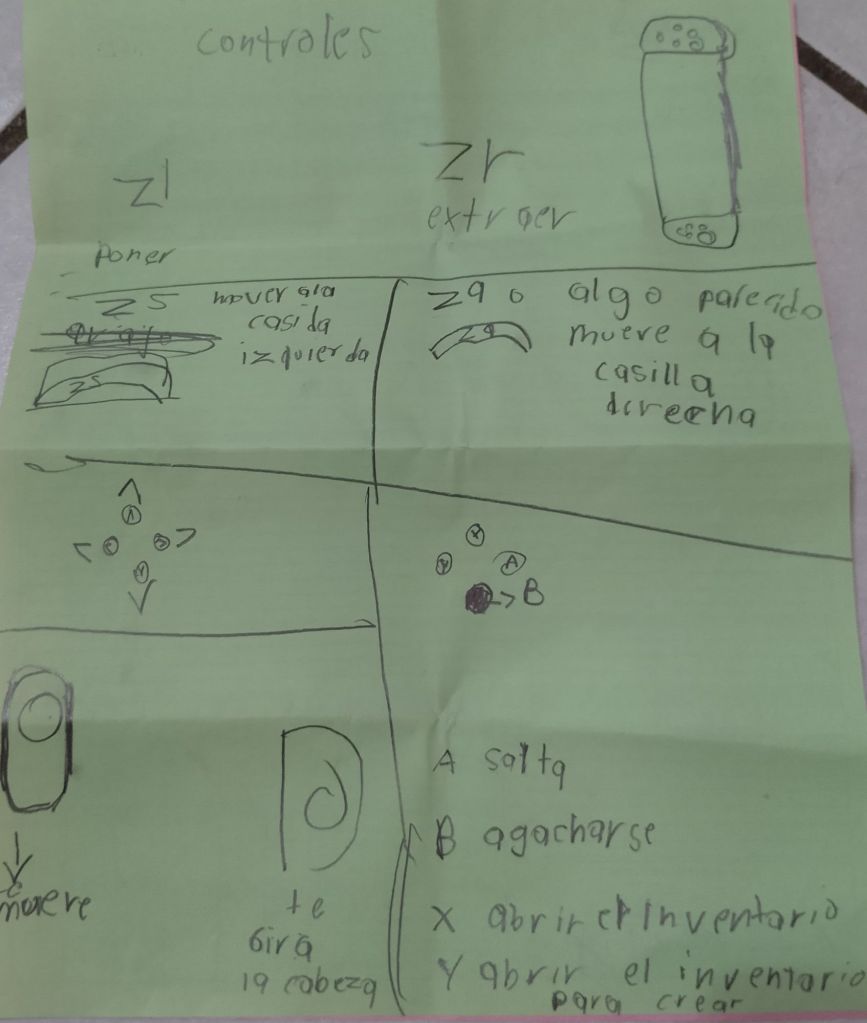
Left side: L and ZL tend to be the “place and use” side, and the D-pad is for quick actions like dropping items, chat, and emotes.

Right side: R and ZR tend to be the “hit and mine” side, with the face buttons for jumping, sneaking, inventory, crafting, and menu flow.

The late-game rewards are tools, not trophies

Beating the dragon opens a path to End exploration, where Elytra supports fast travel and Shulker Boxes help carry more.

Story & Details

The point of the game, said plainly

In January two thousand twenty-six, Minecraft remains easy to enter and hard to exhaust. A player can live in a small house, dig for ore, and build a calm world that never needs an ending. Or the player can choose a clear arc: survive, gear up, find the End portal, and defeat the Ender Dragon. Both paths are “real Minecraft,” and both teach the same rhythm: gather, craft, test, improve.

A simple loop that feels bigger than it looks

Minecraft works like a small science lab. Try an idea. Watch what happens. Change one thing. Try again. A wooden pickaxe becomes stone, then iron, then diamond, then something stronger. Food turns panic into steady travel. Light turns danger into safety. The world rewards small plans that repeat well.

Nintendo Switch: comfort comes from consistent roles

On Nintendo Switch, play feels smoother when the hands have clear jobs.

The left hand usually handles quick choices and careful positioning. L and ZL are commonly used for stepping through items and for placing blocks or using the world. The D-pad keeps fast actions nearby: one direction drops an item, one opens chat, and one triggers an emote, so communication can be quick without breaking the flow.

The right hand usually handles speed and impact. R and ZR are commonly used for the actions that break blocks, mine, and fight. The face buttons carry the daily movement habits: jumping, sneaking for safe edge-walking, opening the inventory, opening crafting, and reaching the main menu.

This left-right split matters because Minecraft asks for two kinds of attention at once: hands that act fast, and a mind that stays calm.

A short Dutch mini-lesson, built around game moments

Dutch is the main language of the Netherlands (Europe). These tiny lines fit common game situations, and each one is followed by a simple whole-meaning line, then a word-by-word map, plus a quick note on tone.

Dank je wel.
Whole meaning: a friendly “thank you.”
Word by word: dank = thanks; je = you; wel = well, indeed.
Tone and variants: warm and common; Dank je is shorter; Dank u wel is more formal.

Waar is het stronghold?
Whole meaning: asking where the stronghold is.
Word by word: waar = where; is = is; het = the; stronghold = stronghold.
Tone and variants: direct and normal; Waar is de ingang? is useful when asking for an entrance.

Ik ga naar de End.
Whole meaning: saying the trip goes to the End.
Word by word: ik = I; ga = go; naar = to; de = the; End = End.
Tone and variants: casual; Ik ga nu is a simple way to add “now” without sounding dramatic.

Mobs, and why that word exists

In many games, “mob” means a computer-controlled character that moves and acts in the world. The word came from older online games where “mobile” or “mobile object” was used for a moving creature in early text-based worlds. In modern play, the word usually points to enemies and creatures that can be fought, avoided, farmed, or studied.

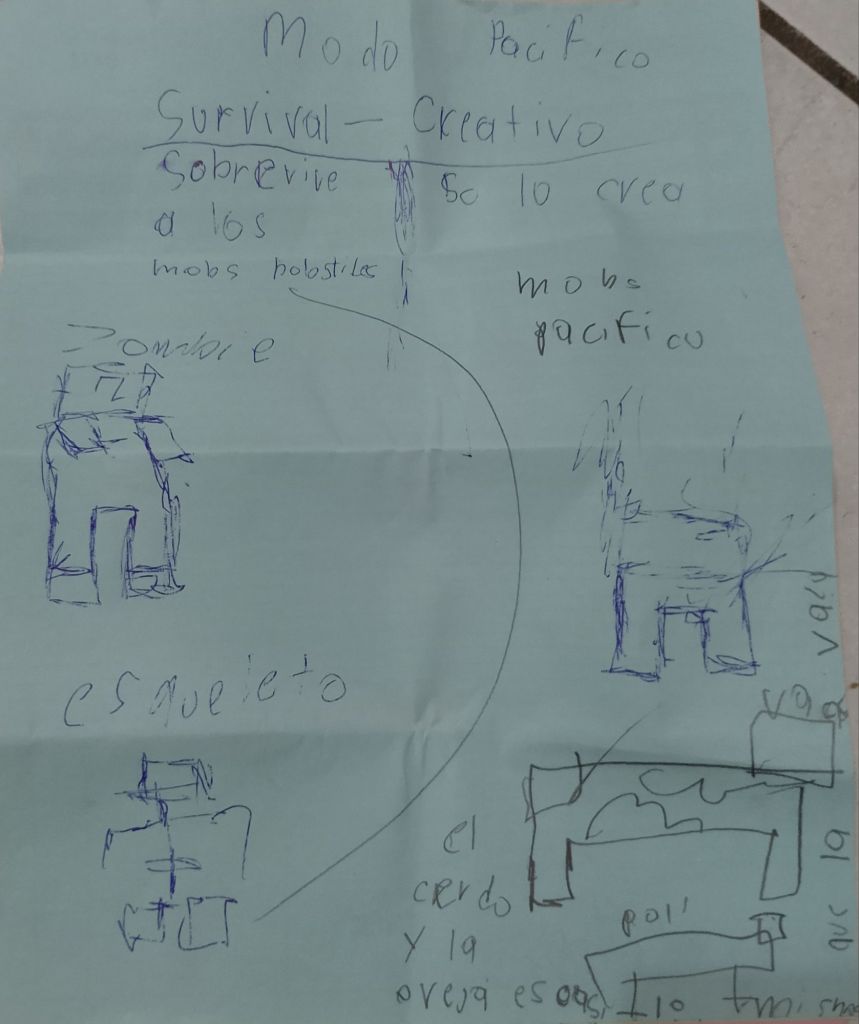
Minecraft uses the idea constantly. A cow is a calm mob. A zombie is a hostile mob. An Enderman is a mob with strange rules.

Endermen: scary, but predictable

Endermen look dangerous because they teleport and hit hard. Yet they follow clear triggers. They often become aggressive when stared at, and they dislike water. This creates a practical lesson: fear shrinks when rules become visible. A player can stop guessing and start controlling the situation.

Strongholds: the doorway to the End

A stronghold is an underground structure in the Overworld that holds the End portal room. Eyes of Ender help point the way toward the nearest stronghold. Reaching the portal room turns the vague idea of “the End” into a real place with a real door.

The Ender Dragon: how the fight works

The Ender Dragon is not only a test of damage. It is a test of priorities.

The End Crystals are the dragon’s support system. As long as crystals remain, the dragon can heal. The fight becomes clearer when the order is clear: remove the healing first, then commit to the main target. Ranged shots help with crystals high on obsidian pillars. Careful footing matters because the End punishes falls more than it punishes slow progress.

What changes after the dragon falls

After the dragon is defeated, the End feels less like a boss room and more like a new region. The central island becomes a hub. New routes open toward outer areas where End Cities can appear. That is where the world starts to hand out travel and storage tools that change daily play.

Why Elytra and Shulker shells matter

Elytra changes movement. It turns long walks into long glides. It rewards planning, height, and good timing.

Shulker shells matter because they become Shulker Boxes, and Shulker Boxes change carrying. The world suddenly feels less cramped. A long trip can bring home more treasure, more blocks, and more options, without turning the inventory into constant stress.

Bedrock, the word, and Bedrock Edition, the platform

Bedrock in everyday language is the solid rock layer under soil. In Minecraft, bedrock is also the name of an extremely tough block that marks hard limits in the world.

Bedrock Edition is the version of Minecraft designed to run across many devices, including Nintendo Switch. For a player, the key idea is simple: the world is still Minecraft, but the edition name explains which version family is in use.

MMORPG: a cousin genre, not the same game

Massively multiplayer online role-playing games feel close to Minecraft because both can be social, long-running, and full of gear and enemies. Yet Minecraft is not locked into the role-playing structure. It can be played like an adventure game, a building toy, or a quiet craft-and-survive routine. The shared DNA is the online world, not the rules of character classes.

A small practical checklist that stays true

Progress in Minecraft becomes easier when three habits are kept simple: keep food, keep light, and keep a safe way home. Everything else is style.

Conclusions

A world that teaches by letting the player touch it

Minecraft on Nintendo Switch stays popular because it puts learning into the hands. The game teaches patience through mining, planning through building, and calm focus through survival. The Ender Dragon is not the only finish that matters. The real win is the moment the world stops feeling random and starts feeling readable.

The endgame is a new beginning

The End is not a wall. It is a doorway. Elytra and Shulker Boxes do not end the story; they make the next chapter faster, lighter, and more ambitious.

Selected References

[1] https://www.youtube.com/watch?v=NDHnDP5CxKY
[2] https://www.minecraft.net/en-us/article/minecraft-controls
[3] https://www.minecraft.net/en-us/article/stronghold
[4] https://www.minecraft.net/en-us/article/ender-dragon
[5] https://www.minecraft.net/en-us/article/java-or-bedrock-edition
[6] https://dictionary.cambridge.org/dictionary/english/bedrock
[7] https://dictionary.cambridge.org/dictionary/english/mmorpg
[8] https://en.wikipedia.org/wiki/Mob_(video_games)

Appendix

Bedrock: A term for the solid rock layer under soil, and also the name used in Minecraft for a near-indestructible block that marks hard limits in the world.

Bedrock Edition: The cross-platform family of Minecraft versions used on many devices, including Nintendo Switch, with shared features built for that ecosystem.

Crafting: The act of turning collected items into tools, blocks, and gear by combining them in a crafting interface.

Elytra: A wearable item that enables gliding, turning height and momentum into long travel.

Emote: A quick in-game gesture used to communicate mood or intent without typing.

End: A late-game dimension centered on the dragon fight and expanded exploration beyond the main island.

End City: A rare structure in the End where valuable items can be found, including Elytra in certain locations.

Ender Dragon: The main boss of the End dimension, fought after entering the End through an activated portal.

Enderman: A tall teleporting creature with specific triggers, known for sudden attacks and unusual movement.

Eye of Ender: A crafted item used to locate strongholds and to activate the End portal frames in the portal room.

Hotbar: The quick-access row of items used for fast switching between tools, blocks, and gear.

Inventory: The storage space for carried items, used to equip gear and manage resources.

MMORPG: Massively multiplayer online role-playing game, a genre built around many players sharing a persistent online world with character progression.

Mob: A moving, computer-controlled character in a game world, often used to mean a creature that can be fought or interacted with.

MUD: Multi-user dungeon, an early style of text-based online world that helped shape later multiplayer game language.

Shulker Box: A portable storage container that keeps its contents when moved, making long trips and big builds easier to manage.

Shulker Shell: A material dropped by Shulkers and used to craft Shulker Boxes.

Stronghold: An underground structure in the Overworld that contains the End portal room and leads to the End when activated.

2026.01.04 – Maduro in U.S. Custody After a Surprise Operation: The Questions Now Shaping Venezuela

Key Takeaways

A U.S. operation on Saturday, January three, two thousand twenty-six removed Nicolás Maduro (born November twenty-three, nineteen sixty-two) from Venezuela (South America) and brought him to the United States (North America) to face federal criminal accusations.

The story quickly turned into three big questions: what the charges say, why U.S. courts claim power over acts linked to Venezuela (South America), and who can lawfully steer the Venezuelan state while its top office is disrupted.

International reactions split sharply, with some governments calling it an illegal intervention and others calling it a turning point, while Mexico (North America) publicly condemned the use of force.

Story & Details

A night that became a headline

On Saturday, January three, two thousand twenty-six, the United States (North America) said it captured Venezuelan President Nicolás Maduro in an operation inside Venezuela (South America) and flew him out of the country. His wife, Cilia Flores (born October fifteen, nineteen fifty-six), was also taken into U.S. custody.

One line in the operation narrative that confused many readers used three clocks at once. Put plainly, it described helicopters moving detainees toward a U.S. military vessel at 2:20 a.m. in Mexico City, Mexico (North America) / 3:20 a.m. United States Eastern Time, United States (North America) / 9:20 a.m. Netherlands (Europe). The key point is the match: 2:20 a.m. in Mexico City and 3:20 a.m. in U.S. Eastern Time both land on 9:20 a.m. in the Netherlands in early January.

That detail also explains the ship question. In these kinds of operations, a military vessel can serve as a secure waypoint: a controlled space to hold people briefly, confirm identity, and manage transport before a flight to a U.S. airport. The helicopters, in that telling, were simply the transport link between land and sea.

What the accusations are really saying

Maduro has long been linked in U.S. filings to allegations of organized cocaine trafficking aimed at the United States (North America), and to alleged ties with an armed group based in Colombia (South America). In the core U.S. indictment language, the accusation is not a single local act. It is a long-running conspiracy: planning, protection, coordination, and facilitation of drug shipments and violence connected to those shipments.

That matters because it also answers a common question: how can a court in the United States (North America) claim these acts if much of the conduct happened in Venezuela (South America)? In U.S. law, many conspiracy and drug-importation crimes are written to reach conduct outside U.S. borders when the target is drugs entering the United States, money moving through U.S. systems, or harm directed at U.S. nationals or property. In simple terms, the claim is about destination and impact, not only location.

For Cilia Flores, the public reporting tied her to the same broad case frame: alleged participation in the system of protection and benefit that U.S. prosecutors describe. Exact counts and wording matter, and they can change as cases move, so the safest reading comes directly from the charging documents and the first court filings.

Who is “in charge” in Venezuela now

Two different ideas often get mixed together: the legal line of succession and the real-world control of institutions.

On the legal side, the Venezuelan Constitution speaks to temporary and permanent unavailability of a president. The key framework is that a temporary unavailability can place the executive vice president in the acting role for defined periods, while permanent absence triggers a different pathway with elections and defined interim leadership.

On the political side, power often follows visible control of three levers: the armed forces, the internal security services, and the top institutions that validate decisions. In the first public hours after the capture, Venezuelan Vice President Delcy Rodríguez was presented as the interim leader by Venezuela’s top court, while also insisting Maduro remained the rightful president. That tension is a signal by itself: it suggests a state trying to hold continuity even while facing an extraordinary rupture.

What the United States and other governments said

In the United States (North America), the operation was framed as a security move against drug flows and a strike against a government Washington described as criminal. In public remarks, President Donald Trump said the United States would “run” Venezuela (South America) until it was “put back on track,” a statement that immediately widened the international dispute beyond the courtroom.

Around the world, reactions divided along familiar lines but with new sharpness. China (Asia) and Russia (Europe and Asia) criticized the action as a violation of sovereignty. France (Europe), Germany (Europe), and the United Kingdom (Europe) called for restraint and legality while distancing themselves from direct involvement. Brazil (South America) and South Africa (Africa) urged respect for international law. Mexico (North America) condemned the intervention. Some leaders, including Argentina (South America) and Ecuador (South America), expressed support or approval, treating the removal as the fall of an authoritarian ruler.

Detention and the prison question

By Sunday, January four, two thousand twenty-six, Maduro was reported as being held in federal custody in New York. In the United States (North America), high-profile defendants often begin in pretrial detention facilities, where daily life is shaped by security rules, court schedules, and limited contact.

For a plain picture of conditions, one useful public benchmark is the U.S. Department of Justice inspector work on Metropolitan Detention Center Brooklyn, a federal facility that has faced scrutiny after serious infrastructure failures and their effects on detainees. That does not describe any single person’s current cell or treatment, but it does show the kind of pressures a federal detention center can face.

Family facts: children, ages, and public profiles

Maduro is sixty-three years old as of Sunday, January four, two thousand twenty-six, based on his birthdate, November twenty-three, nineteen sixty-two. He is widely described as a former bus driver and union organizer who became a career politician and rose through foreign affairs and executive roles.

Cilia Flores is sixty-nine years old as of the same date, based on her birthdate, October fifteen, nineteen fifty-six. She is widely described as a lawyer and political figure who held senior institutional roles.

On the children question, Maduro is commonly described as having one biological son, Nicolás Ernesto Maduro Guerra (born June twenty-one, nineteen ninety). Flores has three sons, often described as Maduro’s stepsons: Walter Jacob Gavidia Flores (born December fifteen, nineteen seventy-eight), Yosser Daniel Gavidia Flores (born October fourteen, nineteen eighty-two), and Yoswal Alexander Gavidia Flores (born August twenty-one, nineteen eighty-four). These names appear in public records, including U.S. sanctions listings.

Maduro’s own explanation for Venezuela’s crisis

For years, Maduro has offered a consistent public justification for Venezuela’s collapse: he blames U.S. sanctions, an “economic war,” sabotage, and foreign-backed attempts to topple his government. Critics argue that corruption, policy failures, and repression are central causes. Both claims appear in public speeches and reporting, but they point in opposite directions: one puts the main cause outside the state, the other inside it.

A short Dutch mini-lesson for clear time and news reading

Dutch news and official notices often use compact time language. Two short examples help with everyday reading:

“Het is half drie.”
Simple meaning: the time is halfway to three.
Word-by-word: het = it; is = is; half = half; drie = three.
Natural use: this means 2:30, not 3:30.

“Om kwart over negen.”
Simple meaning: at quarter past nine.
Word-by-word: om = at; kwart = quarter; over = past; negen = nine.
Natural use: this points to 9:15.

These patterns are common in schedules, transport notices, and live updates, and they reduce confusion when multiple time zones are shown side by side.

Conclusions

By early January two thousand twenty-six, the Maduro story had become two stories at once: a dramatic capture tied to serious U.S. criminal accusations, and a succession test inside Venezuela (South America) with global political shockwaves.

The next clarity points are plain. Court dates will set the legal rhythm in the United States (North America). Public signals from Venezuela’s institutions will show whether “acting” authority is symbolic or real. And international pressure will shape how far the crisis spreads beyond one operation and one indictment.

Selected References

[1] https://apnews.com/article/85041a1ec03bafe839b785a95169d694
[2] https://www.reuters.com/world/americas/world-reacts-us-strikes-venezuela-2026-01-03/
[3] https://www.justice.gov/opa/page/file/1261806/dl?inline=
[4] https://www.justice.gov/opa/media/1422326/dl
[5] https://oig.justice.gov/sites/default/files/2019-12/2019-09-26.pdf
[6] https://ecnl.org/sites/default/files/files/2021/VenezuelaConstitution.pdf
[7] https://www.bop.gov/locations/institutions/bro/
[8] https://sanctionssearch.ofac.treas.gov/Details.aspx?id=26946
[9] https://sanctionssearch.ofac.treas.gov/Details.aspx?id=27003
[10] https://sanctionssearch.ofac.treas.gov/Details.aspx?id=27000
[11] https://sanctionssearch.ofac.treas.gov/Details.aspx?id=27005
[12] https://www.youtube.com/watch?v=SCfl1x4wbzQ
[13] https://www.britannica.com/biography/Nicolas-Maduro
[14] https://www.latimes.com/projects/venezuela-trouble-history/

Appendix

Acting president: A person who temporarily performs the president’s duties when the president cannot do so, often under rules set by a constitution or a court.

Cartel of the Suns: A term used in U.S. accusations to describe an alleged network of Venezuelan officials involved in drug trafficking; the term appears in U.S. filings and public reporting.

Executive Vice President: A top executive official in Venezuela’s government who, under constitutional rules, can replace the president temporarily when the president is unavailable.

Federal court: A court in the United States that applies federal law, including drug-importation and conspiracy statutes that can reach conduct outside the country when U.S. interests are targeted.

Initial appearance: A first court session where a defendant is told the charges, the judge sets basic conditions, and next steps are scheduled.

Metropolitan Detention Center: A federal detention facility used mainly for people awaiting trial or sentencing, with daily life shaped by security rules and court access.

Narco-terrorism conspiracy: A legal accusation that combines drug trafficking and support for violent or terrorist-linked acts, focusing on coordinated plans rather than one isolated event.

Office of Foreign Assets Control: A U.S. Treasury office that administers sanctions programs and publishes public listings of sanctioned people and entities.

Superseding indictment: An updated charging document that replaces or expands an earlier indictment as prosecutors add allegations, adjust counts, or include more detail.

Temporary unavailability: A constitutional idea describing a president’s short-term inability to perform duties, often triggering an acting role for a defined period.

United Nations Security Council: A United Nations body that addresses threats to international peace and security and can issue resolutions, sanctions, or authorizations under international law.

2026.01.03 – Poza Rica’s Post-Flood Cough Season: What Science Supports, What It Does Not

Key Takeaways

  • In Poza Rica, Veracruz, Mexico (North America), a spike in colds and flu-like illness in early January 2026 can fit normal seasonal virus patterns, especially when people gather indoors.
  • Floods do not “release flu viruses into the air,” but they can raise respiratory symptoms in another way: damp buildings and mold can irritate the nose, throat, and lungs.
  • Missed trash collection does not create flu viruses, yet it can worsen health risks by attracting rodents, blocking drains, and increasing standing water that supports mosquitoes and other hazards.
  • A dry cough and a phlegm cough can both happen with viral illness; the cough type alone does not prove the cause, but it can help guide attention to red flags and timing.

Story & Details

The scene in early January

On January 3, 2026, Poza Rica sits in warm, humid air. Around 5:14 pm local time, it is 12:14 am in the Netherlands (Europe). Weather services describe hazy sunshine, humidity, and air that can feel irritating to some people. [1]

In that kind of weather, many people notice coughs. Some are short and dry, like a scratch in the throat. Others bring up phlegm. In the community, the feeling is that “there are more colds and more flu than usual,” and the mind goes back to a hard moment that is still close in memory.

The October flood and what it can change

In October 2025, intense rains and flooding hit parts of Mexico (North America), including Poza Rica, where the Cazones River overflowed and streets filled with water. Major news coverage described widespread damage and difficult cleanup conditions. [2] [3]

After floods, one health story often follows quietly: moisture stays inside walls, floors, and furniture. Mold can then grow, sometimes for weeks or months. Mold is not a virus. It does not cause influenza. But mold can trigger allergies and can irritate the eyes, skin, nose, throat, and lungs. For a person with asthma, it can also trigger attacks. This can look like “everyone is sick,” because many people feel cough, throat irritation, and chest discomfort. [4] [5]

That is the strongest scientific link between flooding and more respiratory complaints: not new “flu germs in the air,” but more dampness, more mold, and more irritants during cleanup.

What spreads colds and flu

Influenza spreads mainly from person to person, especially through droplets made when an infected person coughs, sneezes, or talks. Surfaces can play a role too, but the main driver is close contact. This matters because it points away from floodwater as a direct source of flu waves. Even if a flood happened months ago, a winter rise in influenza-like illness can still occur because people are closer together and the virus moves fast through families, schools, and workplaces. [6]

Local public health messaging in Veracruz also matches that frame. In December 2025, the Veracruz health authority warned about influenza A(H3N2) circulating and emphasized familiar steps like vaccination, hand hygiene, masking in closed spaces, and staying home when sick. [7]

What missed trash collection can and cannot do

Trash does not “make flu.” Flu is not born in garbage piles. But poor waste collection can still raise health risks in real ways. When trash piles up, it can block drains and support standing water. Standing water and water stored in containers can help mosquitoes breed. Rodents can also be drawn to food waste, and they can spread other infections after floods. The World Health Organization notes that poor waste collection can contribute to contamination and can favor certain water- and vector-related diseases, especially when it helps create standing water. [8] Public health guidance also highlights rodent control and careful contact with floodwater because some infections become more likely in the weeks after flooding. [9] The Veracruz health authority described sanitation actions and mosquito control in affected northern areas after the floods, including work aimed at Aedes aegypti, the mosquito linked to dengue, Zika, and chikungunya. [10] [11]

So, the trash concern is not “wrong,” but the main target is different. The most direct link is not flu viruses. It is a mix of pests, standing water, and environmental exposure that can add stress to health.

The short question that keeps coming up: “PAHO?”

PAHO is the Pan American Health Organization. It is the regional office for the Americas of the World Health Organization. Its disaster guidance explains a common pattern: right after a storm, some breeding sites can be destroyed, yet a few weeks later risk can shift if people must store water in containers, which can become ideal mosquito breeding places. That pattern fits many post-disaster settings, including humid regions where standing water is common. [11]

Dry cough or phlegm cough

A dry cough can feel tickly and can come with colds, flu, allergies, or irritants. A “chesty” cough that brings up phlegm can also happen with viral infections and can be common in acute bronchitis. Many coughs improve within about three weeks, but a cough that lasts longer, gets worse, or comes with serious warning signs deserves medical attention. [12] [13] [14]

In a post-flood setting, this is the practical point: cough type can hint at what is happening, but it does not prove the cause. The bigger clues are the pattern in the community, how fast symptoms spread between people, and whether a home or workplace smells damp or shows visible mold.

Conclusions

In early January 2026, a rise in coughs and flu-like illness in Poza Rica can be explained without a single dramatic cause. Seasonal respiratory viruses spread person to person and can surge when contact is close. Floods do not release influenza into the air, yet floods can leave damp buildings and mold that irritate the airways and make many people feel unwell at the same time. Meanwhile, missed trash collection does not create flu, but it can still raise risk through pests, blocked drainage, and standing water that supports mosquitoes and other problems.

The cleanest way to hold these ideas together is simple: viral illness spreads through people, while environmental stress after a flood can amplify symptoms and vulnerability. In a warm, humid, hazy week, that blend can feel like a single wave.

Selected References

[1] AccuWeather: Poza Rica de Hidalgo, Veracruz, Mexico (North America) forecast. https://www.accuweather.com/en/mx/poza-rica-de-hidalgo/236232/weather-forecast/236232
[2] Reuters: Heavy rains in Mexico (North America) leave nearly thirty dead; Poza Rica flooded after the Cazones River overflowed. https://www.reuters.com/business/environment/heavy-rains-mexico-leave-more-than-20-dead-2025-10-10/
[3] AP News: Heavy rain in Mexico (North America) sets off floods; Poza Rica described with major damage. https://apnews.com/article/3ade24258fd08b2f13092157a37874bc
[4] US Environmental Protection Agency, United States (North America): Mold and health. https://www.epa.gov/mold/mold-and-health
[5] Centers for Disease Control and Prevention, United States (North America): Mold clean up guidelines and recommendations. https://www.cdc.gov/mold-health/about/clean-up.html
[6] Centers for Disease Control and Prevention, United States (North America): How flu spreads. https://www.cdc.gov/flu/spread/index.html
[7] Veracruz Health Secretariat: Public warning about influenza A(H3N2) circulating in December 2025. https://www.ssaver.gob.mx/blog/2025/12/16/atencion-la-influenza-a-h3n2-se-puede-encontrar-circulando-en-el-ambiente/
[8] World Health Organization: Guidance on solid waste and health. https://www.who.int/tools/compendium-on-health-and-environment/solid-waste
[9] Centers for Disease Control and Prevention, United States (North America): Preventing leptospirosis after flooding. https://www.cdc.gov/leptospirosis/prevention/index.html
[10] Veracruz Health Secretariat: Sanitation and epidemiologic surveillance actions in northern Veracruz after flooding. https://www.ssaver.gob.mx/blog/2025/10/25/secretaria-de-salud-refuerza-vigilancia-epidemiologica-y-acciones-de-saneamiento-en-el-norte-de-veracruz/
[11] Pan American Health Organization: Vector control in disaster situations. https://www.paho.org/en/health-emergencies/vector-control-disaster-situations
[12] NHS inform, United Kingdom (Europe): Cough guidance, including dry versus chesty cough. https://www.nhsinform.scot/illnesses-and-conditions/lungs-and-airways/cough/
[13] Centers for Disease Control and Prevention, United States (North America): Chest cold (acute bronchitis) basics. https://www.cdc.gov/acute-bronchitis/about/index.html
[14] CDC video, United States (North America): Reduce your risk for flu. https://www.youtube.com/watch?v=2hL-A0FFoec

Appendix

Aedes aegypti: A mosquito that can spread dengue, Zika, and chikungunya; it often breeds in containers that hold clean standing water, which can become more common when people store water after storms.

Acute bronchitis: A short-term infection or irritation of the airways that often causes cough with or without mucus and usually improves within weeks.

Airway irritation: Inflammation or sensitivity in the nose, throat, or lungs caused by irritants such as dust, smoke, or mold particles, which can lead to cough even without a viral infection.

Droplets: Small wet particles released when someone coughs, sneezes, or talks; they can carry viruses and infect people nearby.

Dutch mini-lesson: A practical way to ask about time and symptoms uses short, common phrases: “Hoe laat is het?” with word-by-word gloss Hoe = how, laat = late, is = is, het = it; and “Ik heb een droge hoest” with word-by-word gloss Ik = I, heb = have, een = a, droge = dry, hoest = cough; these phrases sound neutral and everyday.

H3N2: A subtype of influenza A that can cause seasonal flu outbreaks; risk is higher for older adults, pregnant people, and those with chronic disease.

Haze: A light veil in the air, often from humidity and particles; it can make breathing feel harder for sensitive people and can worsen throat irritation.

Influenza: A contagious respiratory illness often called “flu,” caused by influenza viruses; it can spread quickly and can cause fever, aches, and a strong cough.

Leptospirosis: A disease caused by bacteria that can be spread through water or soil contaminated by urine from infected animals, with risk sometimes higher after floods.

Mold: A type of fungus that grows in damp places; it can trigger allergies and can irritate the lungs, nose, throat, eyes, and skin.

PAHO: The Pan American Health Organization, the health agency for the Americas that also serves as the regional office for the World Health Organization.

Seasonality: A pattern where some illnesses rise at certain times of the year, often linked to human behavior, weather, and how easily germs move between people.

Standing water: Water that remains in puddles, drains, or containers; it can support mosquito breeding and can raise vector-related risks.

Vector: An animal, often an insect like a mosquito, that can carry germs from one host to another.

Waste collection: The regular removal of household trash; when it fails, drains can block and pests can increase, which can raise health risks even if it does not create respiratory viruses.

2026.01.03 – ChatGPT’s No-Prop Games for Long Waits and Locked Doors

Key Takeaways

The situation

A group ran out of toys, paper, pens, and phone battery, so ChatGPT became the game box.

The two scenes

A Chevrolet Spark 2015 during a traffic delay, then a locked room at night.

The core idea

Short, spoken games can turn “nothing to do” into steady turns, shared focus, and laughter.

The science, in simple words

Play helps attention, self-control, memory, and calm—especially when stress is high.

Story & Details

A small car, a big wait

On January 3, 2026, the first scene was tight and noisy in the mind. A line came out sharp—“Blessed thing of the devil, Frodo”—and then was pulled back at once: “No, no, no. Don’t say that out loud.” The setting was clear: a Chevrolet Spark 2015, closed in, with no toys at all.

The wait sounded uncertain. It could be three hours. It could be five. It could be six. Most phones were close to dead at five percent. One phone stayed at one hundred percent, but it still could not call anyone. With screens fading and time stretching, the only real tools left were voice and imagination.

Games that fit inside a sentence

ChatGPT’s best answers were the games that start fast and reset fast. One person notices something and others guess it. One person thinks of an answer and others ask yes-or-no questions until it clicks. A word chain keeps the pace when energy is low, because the next move is always obvious: listen, then build.

A forbidden-word round makes ordinary talk funny again. It works because it changes the room’s “default” setting. People begin to watch their own speech, then laugh when someone slips. Dubbing and impressions add a small stage. A chair can complain. A lamp can tell a secret. A “serious” news voice can describe something silly. The point is not talent. The point is turns.

The moment the story corrects itself

The traffic did not stay endless. The story corrected itself: it was not an eternal traffic jam after all. But the boredom stayed. It simply moved.

Night arrived, and the second scene was a locked room. Still no toys. Still no paper. Still no pens. The father’s battery was running out. Friends were there too. The feeling was heavy: everyone was already bored, and it was dark.

In that room, the same games worked, with small changes. Twenty Questions could be limited to objects in the room to keep it quick. A whisper “telephone” round could stay quiet and still end in laughter. A freeze game could turn silence into suspense. Then one name came up as a question: Simon Says. The rule stayed simple. Only do the action if the leader begins with the key phrase. That single switch trains listening and self-control, even when people are tired.

When the pressure turns into comedy

The stakes rose in a playful threat. If the games were not truly funny, the app would be uninstalled and never paid for again. Someone even used a wrong name: ChatGPG.

So the tone shifted toward bigger comedy. A “courtroom” game made one person the judge, one the accused, and one the defender, arguing a ridiculous case in short bursts. An “impossible commercial” game asked players to sell nonsense with a slogan and a dramatic warning. A “glitchy robot” game limited speech to a few fixed replies, forcing everyone else to be clever with questions. A “story trap word” kept the plot moving while trying to avoid a secret trigger.

These formats work because they reduce thinking into small steps. They also build a steady back-and-forth rhythm. That rhythm matters. Child-development research often describes responsive turn-taking as a core way that brains build skills for attention, memory, and emotional control. In simple terms: short turns help the mind stay with the group instead of drifting into frustration.

A tiny Dutch break, built for real life

A brief language moment can also become a game.

Ik verveel me
Use: a short way to say boredom out loud without drama.
Word-by-word: Ik = I; verveel = feel bored; me = myself.
Natural feel: everyday, informal, common.

Wat nu?
Use: a short way to ask what comes next when stuck.
Word-by-word: Wat = what; nu = now.
Natural feel: everyday, informal, quick.

Conclusions

A car and a locked room can make time feel heavy, especially when batteries drop and the night grows quiet. This January night showed a lighter path: short rules, quick turns, and playful roles can rebuild calm and focus without any objects at all. When the only tool left is voice, the right game can make a small space feel wider.

Selected References

[1] https://www.aap.org/en/patient-care/early-childhood/early-childhood-health-and-development/power-of-play/
[2] https://developingchild.harvard.edu/resources/handouts-tools/brainbuildingthroughplay/
[3] https://www.unicef.org/parenting/child-care/science-of-play
[4] https://www.youtube.com/watch?v=m_5u8-QSh6A

Appendix

A–Z Definitions

Chevrolet Spark 2015. A small car model and year that served as the first setting for a long wait with low phone battery.

ChatGPG. A playful wrong-name for ChatGPT used in a tense, joking moment.

ChatGPT. A text-based assistant used here to generate spoken games when there were no toys, no paper, and low phone battery.

Dubbing. A quick acting game where someone invents a voice and thoughts for an object or a person, as if adding new dialogue to a scene.

Executive Function. A set of mental skills that help a person focus, hold information in mind, control impulses, and switch plans when needed.

Forbidden Word Game. A game where one common word becomes “not allowed,” and anyone who says it loses a point or must do a small silly task.

Impressions. Short voice or character acting that turns a person into a “new role” for a few seconds, such as a narrator or a dramatic villain.

Ik verveel me. Use: a short Dutch phrase for stating boredom. Word-by-word: Ik = I; verveel = feel bored; me = myself. Register: informal and common.

I Spy. A guessing game where one person chooses something visible and gives a clue so others can guess it.

Serve and Return. A back-and-forth pattern where one person signals and the other responds; in children, this kind of turn-taking is linked to healthy learning and development.

Simon Says. A listening game where actions are followed only when the leader begins with the key phrase, making attention and inhibition the main challenge.

Twenty Questions. A guessing game where players ask yes-or-no questions to identify a hidden person, place, or thing within a set number of questions.

Wat nu? Use: a short Dutch phrase for asking what happens next when stuck. Word-by-word: Wat = what; nu = now. Register: informal and common.

Word Chain. A word game where each new word must start with the last letter or last sound of the previous word, keeping a steady rhythm.

2026.01.03 – Profession Charades with Mimica: A Dentist, a Smile, and the Power of Silent Clues

Key Takeaways

The simple point

Profession charades is a quiet guessing game. One person acts. One person guesses. Mimica keeps the choices clear and child-friendly.

What the game trains

It builds attention, self-control, and word memory. It also sharpens body-language reading.

Why it works

A familiar job and a slow pace make the clues easy to follow and the win easy to feel.

Story & Details

What this piece is about

This is a short story about profession charades, guided by Mimica, and why this small game can teach big skills.

A calm game night, already in the past

On January 3, 2026, a home game turned into a tiny stage. A child watched an adult act out jobs without speaking. The child guessed the job. The next job waited until the guessing felt fully finished.

One job at a time

The pacing mattered. One role per turn. No talking during the acting. The guessing stayed gentle, not rushed. That quiet space gave the child time to think and try again.

The first role: dentist

The first job was dentist, chosen because it was easy to recognize. The acting used clear, repeatable moves. A hand became a small mouth mirror. Fingers mimed a careful tool near the teeth. A quick rinse gesture followed. Then a light brushing motion. The clues stayed simple, so the child could connect movement to meaning.

What the brain practices in a game like this

Silent acting trains nonverbal communication. Faces, hands, and posture become signals. Guessing turns those signals into a word. That link helps memory.

Pretend play also supports self-regulation. Waiting, watching, and trying again are small acts of control. Research on play and pretend roles links these moments to stronger social and emotional skills, and to skills like flexible thinking.

A tiny Dutch mini-lesson from the Netherlands (Europe)

These short lines fit a dentist scene.

Ik ben tandarts.
Use: a plain way to say a job.
Word-by-word: Ik = I. Ben = am. Tandarts = dentist.
Style: neutral and everyday.

Doe je mond open.
Use: a direct line during an exam.
Word-by-word: Doe = do. Je = your. Mond = mouth. Open = open.
Style: informal and common.

Ben je klaar?
Use: a check-in when a turn is ending.
Word-by-word: Ben = are. Je = you. Klaar = ready.
Style: friendly and natural.

Conclusions

A small game with real weight

Profession charades keeps the room light and the mind busy. With Mimica, familiar roles, and a steady pace, the game becomes a simple way to grow language, attention, and social sense—one silent clue at a time.

Selected References

[1] https://www.youtube.com/watch?v=Ks-_Mh1QhMc
[2] https://www.britannica.com/dictionary/charade
[3] https://www.unicef.org/parenting/child-care/science-of-play
[4] https://childmind.org/article/the-power-of-pretend-play-for-children/
[5] https://pmc.ncbi.nlm.nih.gov/articles/PMC10766374/

Appendix

Glossary A–Z

Charades is a guessing game where one person acts out a word or phrase without speaking and others try to guess it.

Dentist is a health professional who cares for teeth and checks the mouth.

Dutch is the language spoken in the Netherlands (Europe) and used here in short, everyday sentences.

Executive function is a set of brain skills that help with focus, memory, flexible thinking, and self-control.

Mime is acting without speech, using movement and facial expression to show meaning.

Mimica is the name used for the mime-style acting that guides the profession guessing game.

Nonverbal communication is sharing meaning without words, using face, body, distance, and gesture.

Pantomime is a clear form of mime that shows actions step by step, like brushing or rinsing.

Pretend play is make-believe play where roles and stories help children practice social and emotional skills.

Turn-taking is the habit of waiting and switching roles so each person gets a fair moment.

Vocabulary is the set of words a person knows and can use, built through repeated use and clear examples.

2026.01.03 – Forensic Microbiologist: The Investigator Who Follows Microbes

In January two thousand twenty-six, the forensic microbiologist stands out as a rare job that links lab science with real-world investigations.

Key Takeaways

The idea in simple words

  • A forensic microbiologist uses microbes as clues to help explain where a problem started and how it spread.
  • The work depends on calm thinking, clean notes, and careful handling of samples.
  • The best voice is cautious: findings are possible, probable, or inconclusive.
  • Common tools include culture, Polymerase Chain Reaction (PCR), sequencing, metagenomics, and microbial typing.

Story & Details

The job most people never notice

A forensic microbiologist looks for answers that cannot be seen with the naked eye. Bacteria, fungi, and other microbes can leave patterns in water, food, air, and on surfaces. Those patterns can help trace a contamination source, support an outbreak investigation, or add weight to a case that needs strong evidence. In this field, small details matter. A wet corner, a warm room, poor ventilation, or a surface that was cleaned at the wrong moment can change what microbes appear.

The work starts with context, not drama. What happened? When did it start? Who touched what? What was cleaned, and with what? Each question builds a clearer map of the scene. The goal is not to sound certain. The goal is to stay accurate.

A mindset that feels believable

This role is built on method, not instinct. A forensic microbiologist avoids fast conclusions and treats every claim like a test that can fail. Notes are constant. Labels are clear. Each sample is tracked from collection to storage to analysis. That tracking is the chain of custody, and it protects trust in the result.

The work also watches for cross-contamination. A clean glove that touches a dirty surface can move a clue to the wrong place. A tool used twice can blend two stories into one. That is why controls matter. A negative control should contain nothing. A positive control should contain something known. A blank control checks the container or process itself. When these controls behave as expected, the main result is easier to trust.

The voice: careful, not loud

A forensic microbiologist speaks with measured language. A strong line sounds like this: “This suggests a source, but it still needs confirmation.” Another useful line is: “The chain of custody matters as much as the test.” When information is missing, it is named without shame. The tone stays steady, and the conclusion stays inside the evidence.

The same calm shows up in the final wording. Results can be possible. Results can be probable. Results can be inconclusive. That last word is not weakness. It is honesty.

The science, kept clear

Some methods can be named without turning into a lab manual. Culture grows microbes so they can be studied. PCR copies a DNA target so it can be detected. Sequencing reads genetic code to compare one microbe to another. Metagenomics looks at many microbes at once from a mixed sample. Microbial typing sorts strains into groups, which helps show whether two samples are linked.

A forensic microbiologist also keeps safety first. Biological material should not be handled without the right protocols and protective equipment. The work is careful for a reason.

A tiny Dutch phrase kit

Dutch is spoken in the Netherlands (Europe), and a few short phrases can help a beginner sound natural when asking simple, direct questions.

One common first question is: Wat is er gebeurd? It is used to ask what happened, in a neutral, everyday way. Word by word: wat means “what,” is means “is,” er is a small filler word, and gebeurd means “happened.” A close, natural variant is Wat gebeurde er?, which feels a little more story-like.

A second useful question is: Waar is het monster genomen? It is used to ask where the sample was taken. Word by word: waar means “where,” is means “is,” het means “the,” monster means “sample,” and genomen means “taken.” In a more formal tone, Waar is het monster afgenomen? is also common.

These phrases fit well in a story scene, a role-play, a mock interview, a short video, or a television script where the character needs to sound precise without sounding harsh.

Conclusions

A quiet kind of authority

A forensic microbiologist is convincing for one main reason: the work stays disciplined. The scene is observed. The questions are exact. The samples are protected. The words are careful. In a world full of fast opinions, this job earns trust by moving at the speed of evidence.

Selected References

Public reading and one video

[1] https://pmc.ncbi.nlm.nih.gov/articles/PMC7149751/
[2] https://www.cdc.gov/advanced-molecular-detection/about/detecting-outbreaks.html
[3] https://www.microbiologyresearch.org/content/journal/jmm/10.1099/jmm.0.001802?crawler=true&mimetype=application%2Fpdf
[4] https://youtu.be/RKxYw6H7xlg

Appendix

Chain of custody

A record that tracks a sample from collection to storage to testing, showing who handled it and when, so the result can be trusted.

Contamination

The presence of unwanted microbes or material in a place or sample, which can change results and confuse an investigation.

Cross-contamination

Accidental transfer of microbes or material from one place or sample to another, often caused by hands, tools, or surfaces.

Culture

A method that lets microbes grow under controlled conditions so they can be identified and studied.

Forensic microbiologist

A specialist who applies microbiology to investigations, using microbial clues to support careful conclusions that can stand up to scrutiny.

Metagenomics

A method that studies genetic material from many microbes in a mixed sample, helping reveal what is present without isolating each one first.

Microbial forensics

A branch of forensic work focused on microbial evidence, often linked to attribution questions and high-stakes investigations.

Outbreak

A rise in cases of disease that are linked in time and place, often traced by combining field facts with lab evidence.

Polymerase Chain Reaction (PCR)

A method that makes many copies of a selected DNA region, helping detect and study very small amounts of genetic material.

Sequencing

A way to read genetic code so microbes can be compared, grouped, and linked across samples.

Typing

A set of approaches that classify microbes into types or strains, helping show whether two samples are likely connected.

Whole genome sequencing

Sequencing that reads most or all of an organism’s genome, giving a detailed genetic “fingerprint” for comparison.

Design a site like this with WordPress.com
Get started