Key Takeaways
One face, two stories. A single portrait can feel heroic or threatening with just a new shirt, a new background, and a clear mood.
Small details steer the whole result. Color, light direction, and atmosphere words like “haze” can change the feeling fast.
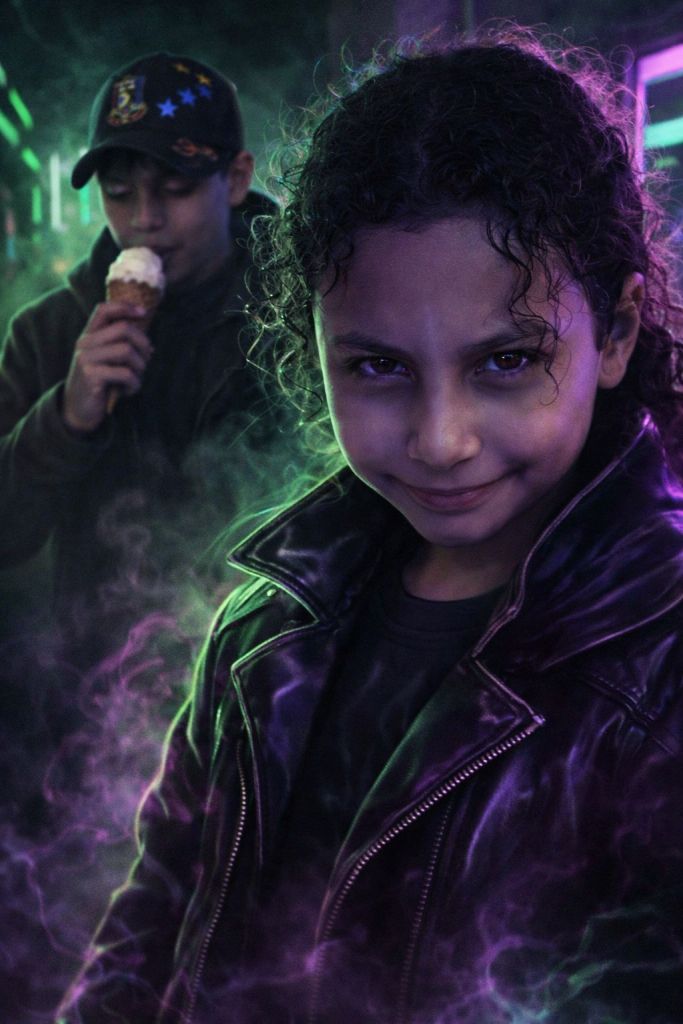
A playful extra sells the scene. A background cameo—someone calmly eating an ice cream—adds contrast and humor without stealing focus.
Story & Details
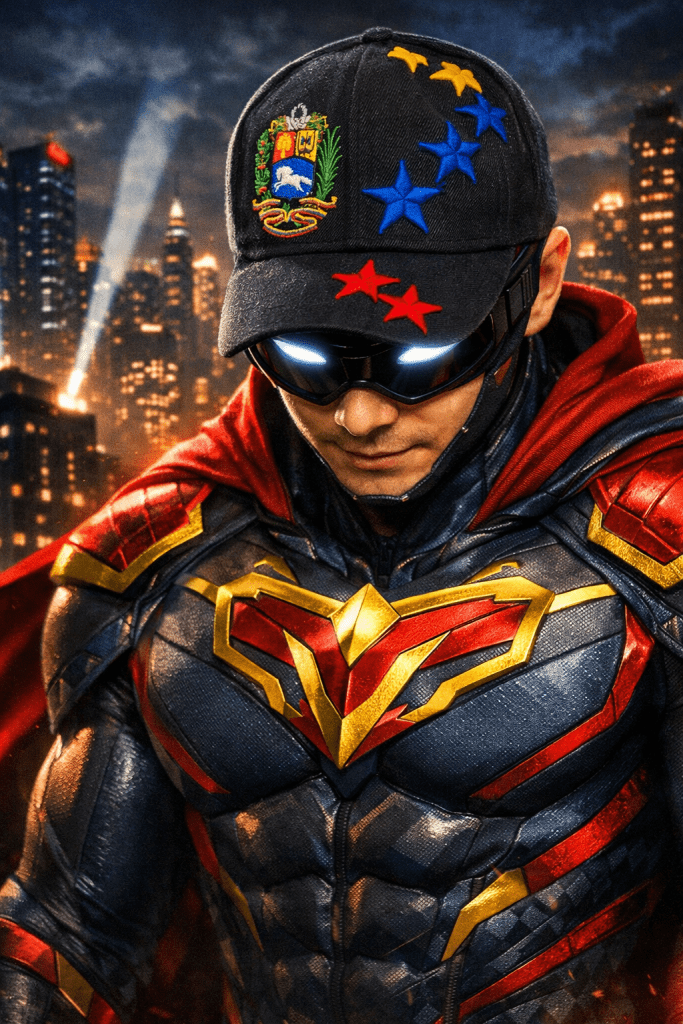
The bright version. The first makeover leans into classic hero energy. A clean shirt swap and a bold new background do most of the work. Strong light, simple shapes, and a confident stance signal “protector” even before any dramatic effects appear.
The dark version. The second makeover flips the mood. The shirt changes again, but this time the background carries the message: heavier shadows, sharper contrast, and a more tense atmosphere. The same face can feel like a villain when the world around it feels colder and less safe.
The ice-cream cameo. Behind the villain scene, the hero reappears as a small background figure eating an ice cream. That gentle, everyday action creates a funny clash: danger in front, calm in back. It keeps the scene from becoming too heavy and makes the whole composition feel more like a comic panel.
A quick word on haze. “Haze” is a thin foggy look that makes far objects softer and less clear. In a background, haze can push distance back, lower sharpness, and make a scene feel hot, smoky, dreamy, or polluted—depending on the color and light.
A tiny Dutch mini-lesson. A simple way to ask for an ice cream in Dutch (Netherlands, Europe) is: Mag ik een ijsje?
Plain meaning: a polite, everyday request at a counter.
Word-by-word: Mag = may, ik = I, een = a, ijsje = ice cream (small), with the question tone carrying “please.”
Natural close variants: Ik wil een ijsje. Word-by-word: Ik = I, wil = want, een = a, ijsje = ice cream (small). This one can sound more direct, so tone matters.
Conclusions
A simple switch, a complete change. Hero and villain are often the same shape with different light. A new shirt, a new background, and one clear atmosphere choice can turn a portrait into a story that reads instantly—then a small, human detail like an ice cream can make it memorable.
Selected References
[1] https://dictionary.cambridge.org/dictionary/english/haze
[2] https://www.practical-diffusion.org/
[3] https://www.eecs.mit.edu/academics/iap-offerings/iap-2026/
[4] https://www.youtube.com/playlist?list=PL_1TbuIu65A_G908tHHvTnyQsueR17rMh
Appendix
A1 Reader Level. A very simple reading level that favors short sentences, common words, and clear ideas.
Background. The space behind the main subject; it can set mood, location, and story even when the subject stays the same.
Cameo. A small, secondary appearance placed in the scene for contrast, humor, or extra story.
Comic Style. A bold visual look inspired by comics, often using strong outlines, clear shapes, and dramatic lighting.
Depth of Field. How much of a scene looks sharp at the same time; a softer background can help the main subject stand out.
Dutch Mini-Lesson. A short set of Dutch example phrases with practical use, plus a careful word-by-word breakdown.
Haze. A light foggy effect that reduces clarity and contrast, especially in the distance, and can change the emotional tone.
Portrait. A picture focused on a person’s face and expression, often used to communicate character and mood.
Retouching. Changing or refining a picture’s details—such as clothing, lighting, or background—to create a different look or feeling.
Tone. The emotional feeling of a scene, shaped by light, color, contrast, and atmosphere.